Never before has it been so clear that our fates are inextricably linked to the life around us, whether we see it or not. We can learn to live more deeply when our eyes are open to the wild. Ami Vitale
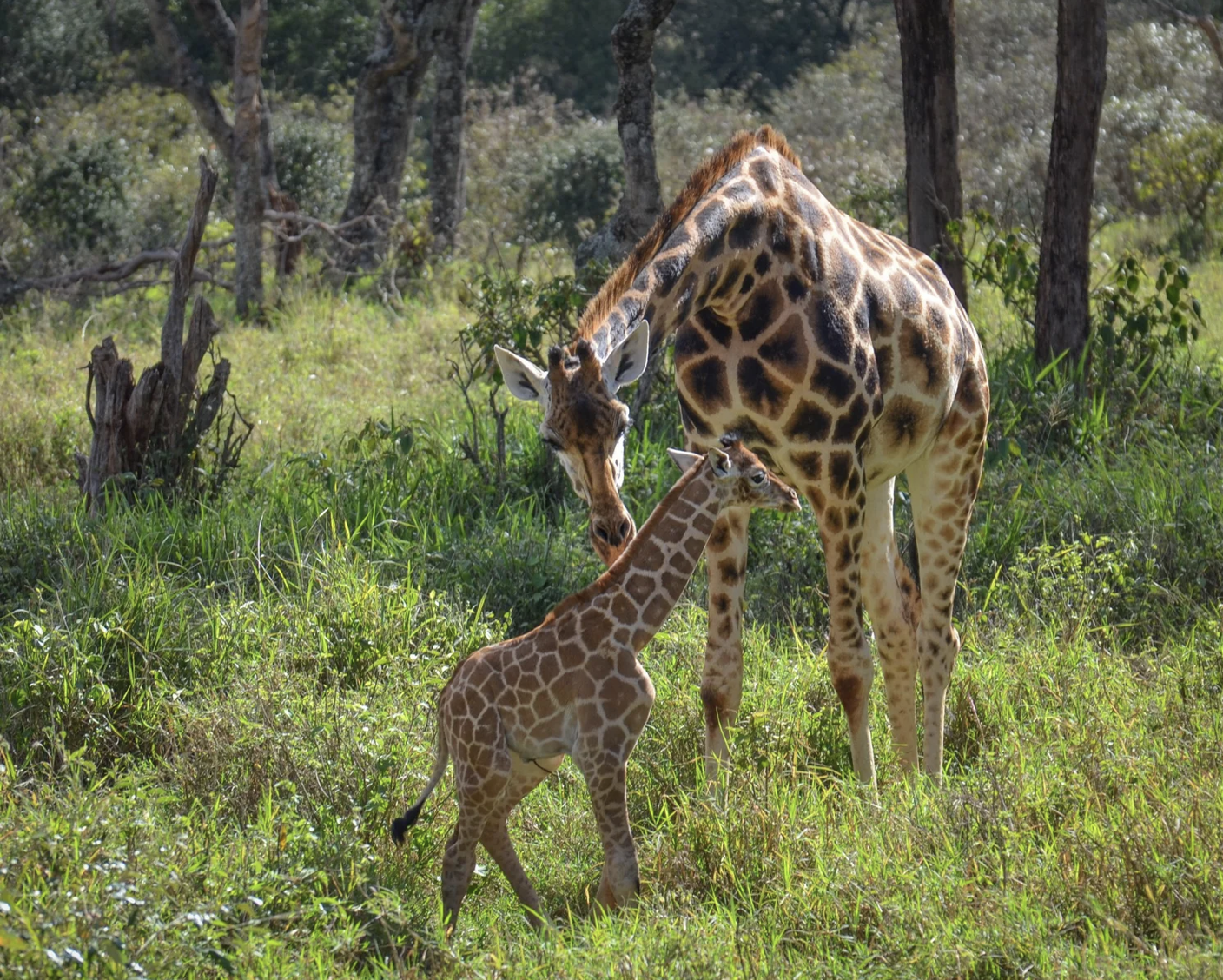
©kathykarn
There are exciting conservation stories emerging on the African continent where wildlife eliminated from habitats due to war, poaching and/or climate change are being reintroduced to territory they once roamed freely. Translocating large animals like elephants, lions, rhinos and giraffes is no easy feat. Often animals are darted with sedatives then transported thousands of kilometers to their new home.
Save Giraffes Now is a charitable organization dedicated to protecting giraffes from extinction. One of their translocation projects included rescuing eight endangered rare-species giraffes who became stranded when rising waters created an island from a peninsula in Lake Baringo, Kenya. The giraffes risked starving to death as their food supply diminished. Due to their unique physiology giraffes can’t swim long distances. Darting a giraffe is one of the riskiest procedures in wildlife veteran veterinary medicine because their unique anatomy makes them vulnerable to the drugs and the stress of capture. Mortality rates during giraffe immobilization have been as high as 25 to 35%. A giraffe's blood pressure is about 3 times humans, and the drugs can cause dangerous swings in heart rate and blood pressure.
The SGN rescue team of local leaders from the Ruko Conservancy, Kenyan vets and conservationists came up with a creative solution. They built a modern-day ark, called The Giraft. With careful preparation and acclimatization over time they were able to convince the skittish animals to climb aboard then ferry them safely to a sanctuary on indigenous ancestral lands. The giraffes have settled in well and their numbers are increasing.
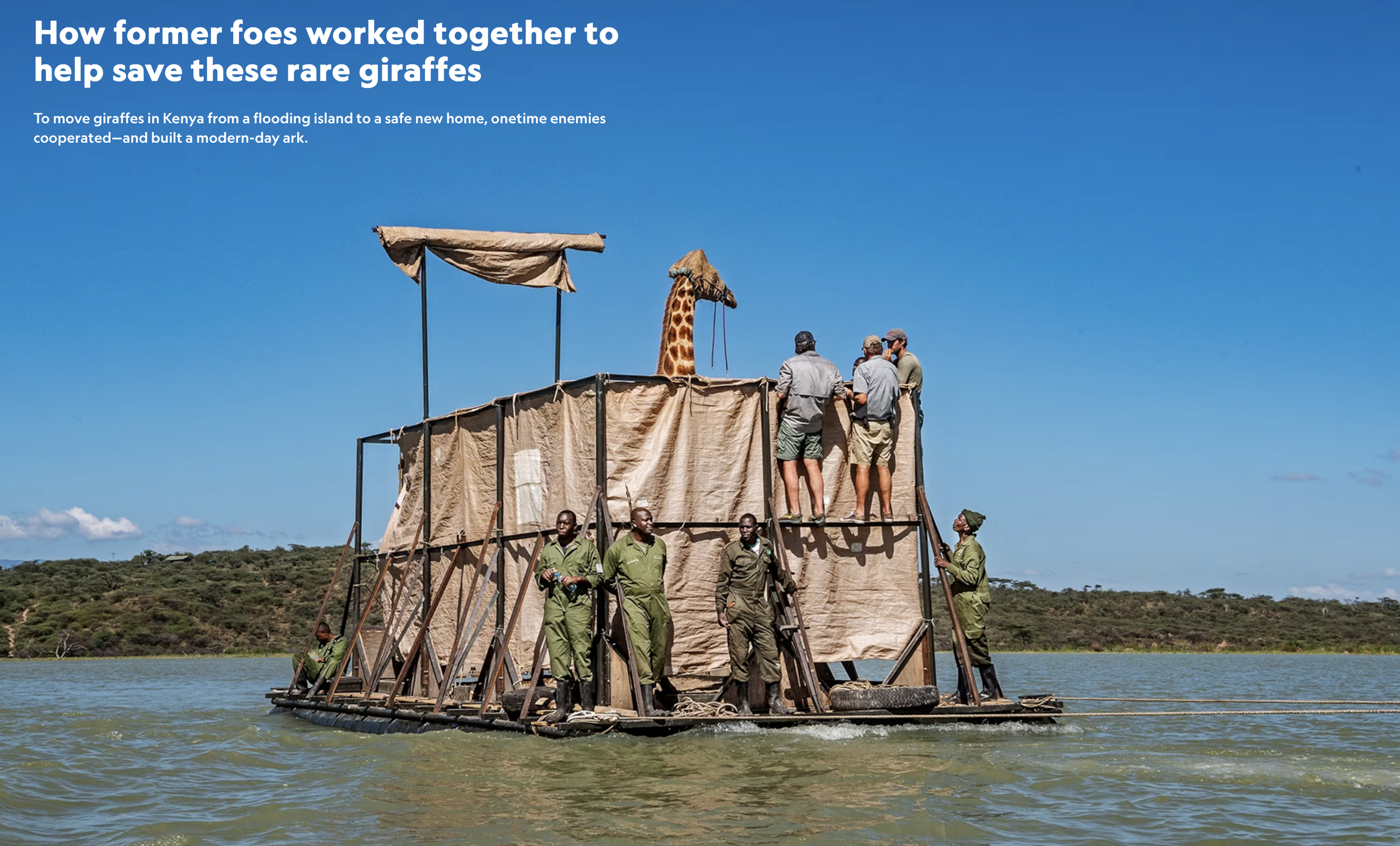
Photo Credit Ami Vitale
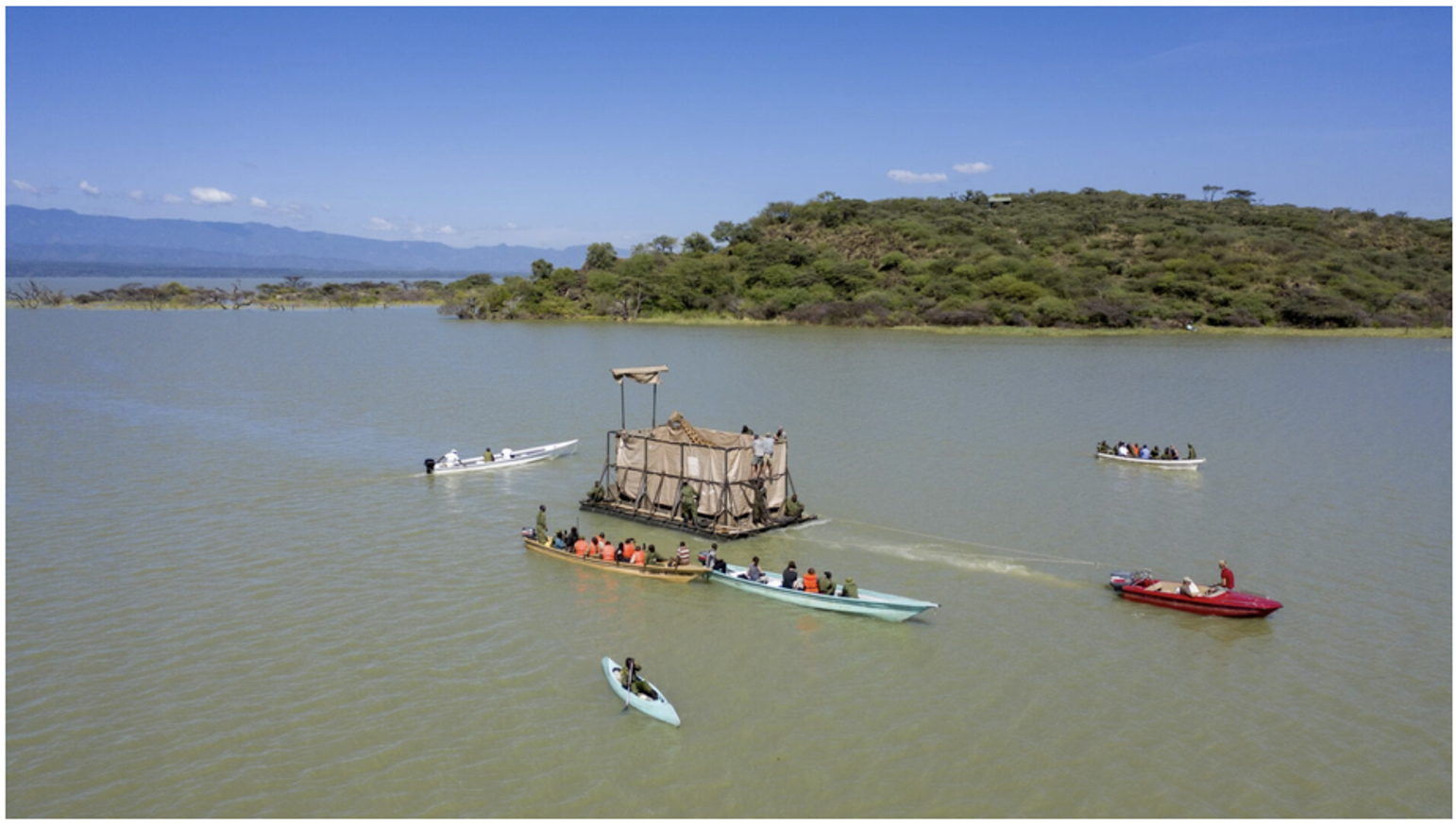
Photo Credit Ami Vitale
This extraordinary story was the subject of a documentary, Saving Giraffes: The Long Journey Home released on Disney Plus in 2022. The film tells how the love of giraffes fostered peace and purpose between two warring tribes. At a time when the world seems full of horrific news, this heartwarming story of two communities coming together to save wildlife and protect their environment gives me hope.
Rescue and Rewilding is part of Save Giraffes Now mission. Inspired by their success with the Giraft, they are constantly researching how to move giraffes more safely. Their recent newsletter came with an exciting announcement:
You may remember from our last newsletter from our Botswana translocation where we talked about how risky darting a giraffe can be due to its cardiovascular structure even though it is the current standard for moving giraffe.
But what if there was another way....
This year we continued our research inspired by SGN's giraffe rescue at Lake Baringo in Kenya in 2021. The Passive Capture Method was tested at Areena Game Reserve in the Eastern Cape, South Africa, using a specially designed mobile feeder and a giraffe transport “chariot” trailer. We even had a live camera on the feeder and trailer so that we could have a front-row seat to this exciting phase.
In addition to giraffe, zebra, nyala, impala and even porcupines regularly passed through and fed around or from the feeder.
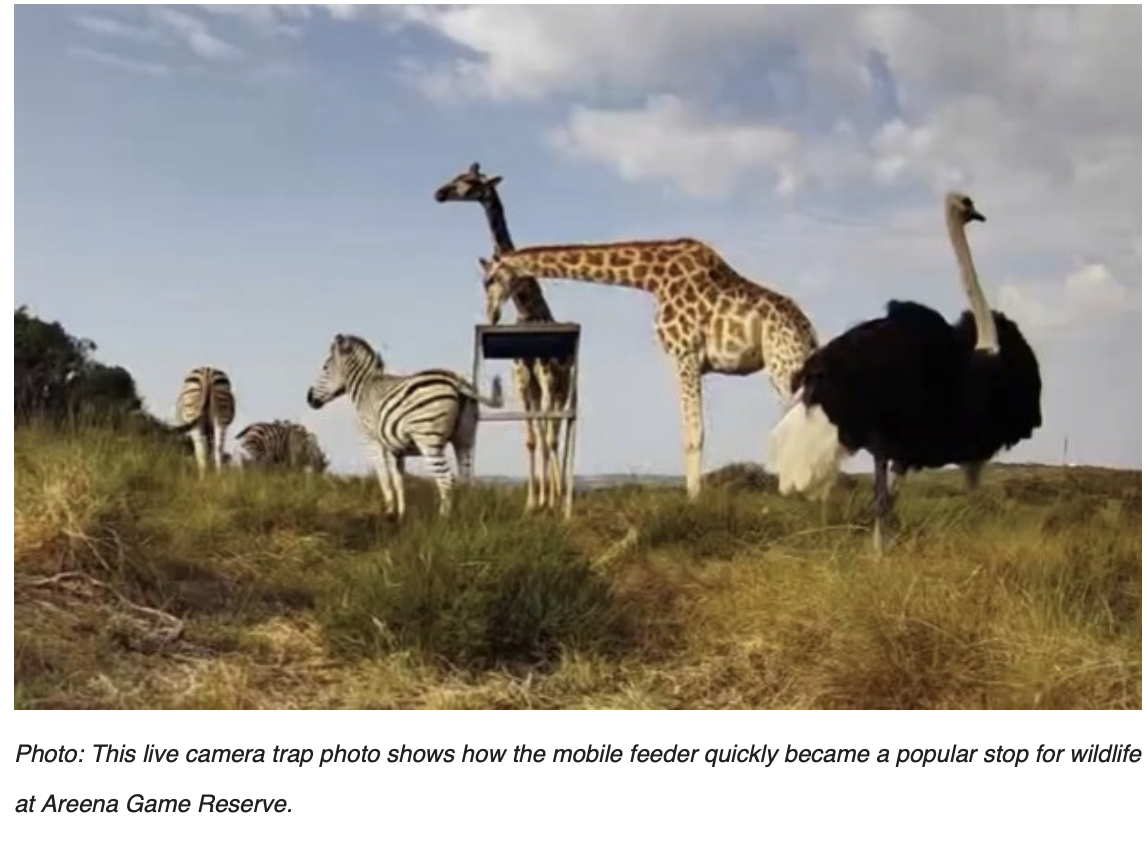
This phase of research had three tests:
Test 1: Will the giraffe follow the mobile feeder when we move it to different locations? They did! We even moved it around the reserve, and they found it time and time again. Once we knew they would follow the feeder, we set it up in the location of Test 2.
Test 2: Will the giraffe still feed at the mobile feeder if a chariot trailer is nearby with its ramp open? They will! We gradually moved the mobile feeder closer and closer to the chariot trailer and the giraffe and other animals continued feeding.
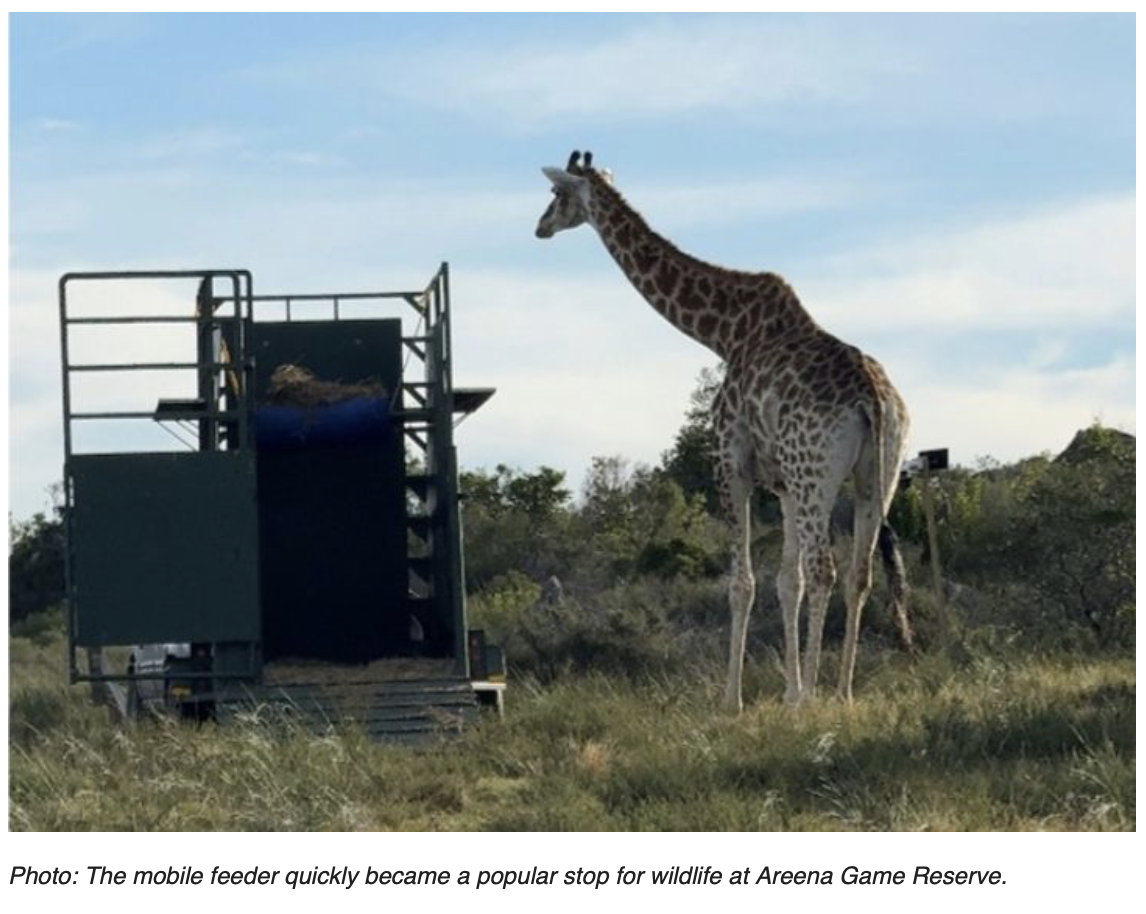
Test 3: Will the giraffe still feed at the mobile feeder if it is inside the chariot trailer? They will! Some giraffe were even willing to put their front feet on the ramp to get at the mobile feeder.
They were approaching a chariot trailer on their own with no human intervention needed. No darting, no ropes, no pushing, no humans at all! They were free to approach, investigate, feed, walk away, and return whenever they chose.
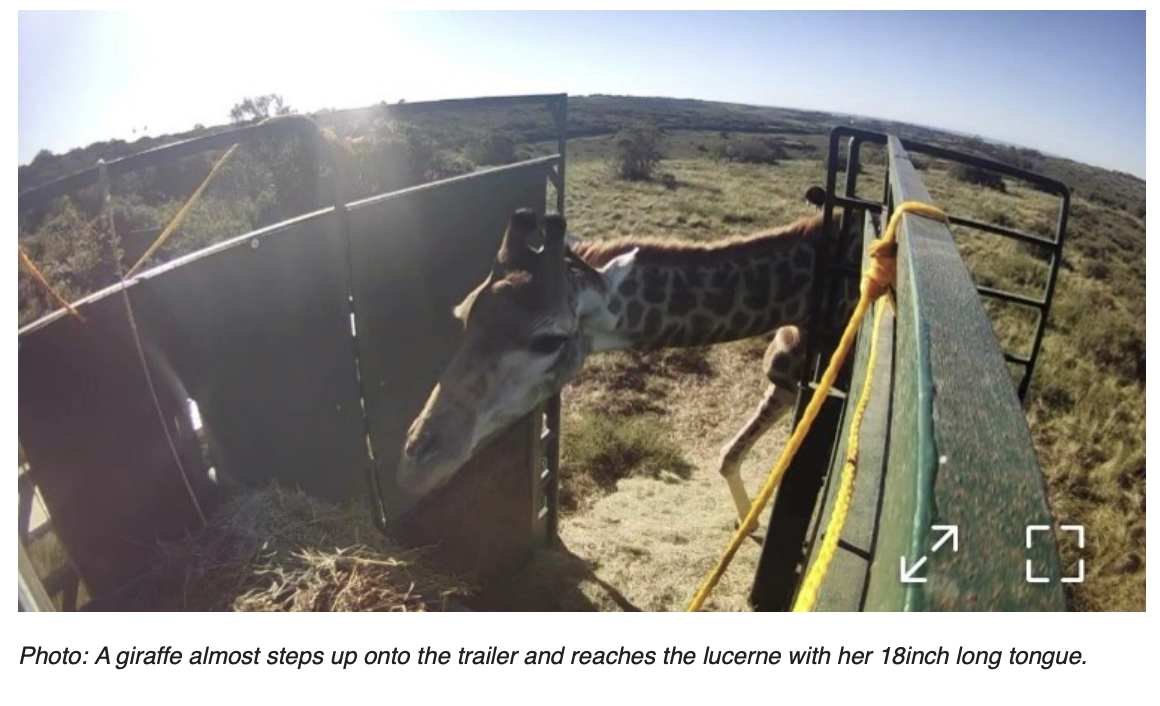
What’s next? We experiment with different ramps, with different angles, and with different levels of traction. We are providing the incentive, now we just have to get the right elements to make the giraffe comfortable to walk into the chariot trailer. We are also working with our partners across Africa to see in what other ways we can apply this valuable research.
Love giraffes? Consider donating to Save Giraffes Now this giving season. Follow them on Instagram @savegiraffesnow, and Facebook Save Giraffes Now.
OR
Support conservation in Kenya, shop giraffe image products in my online store and Gallery.
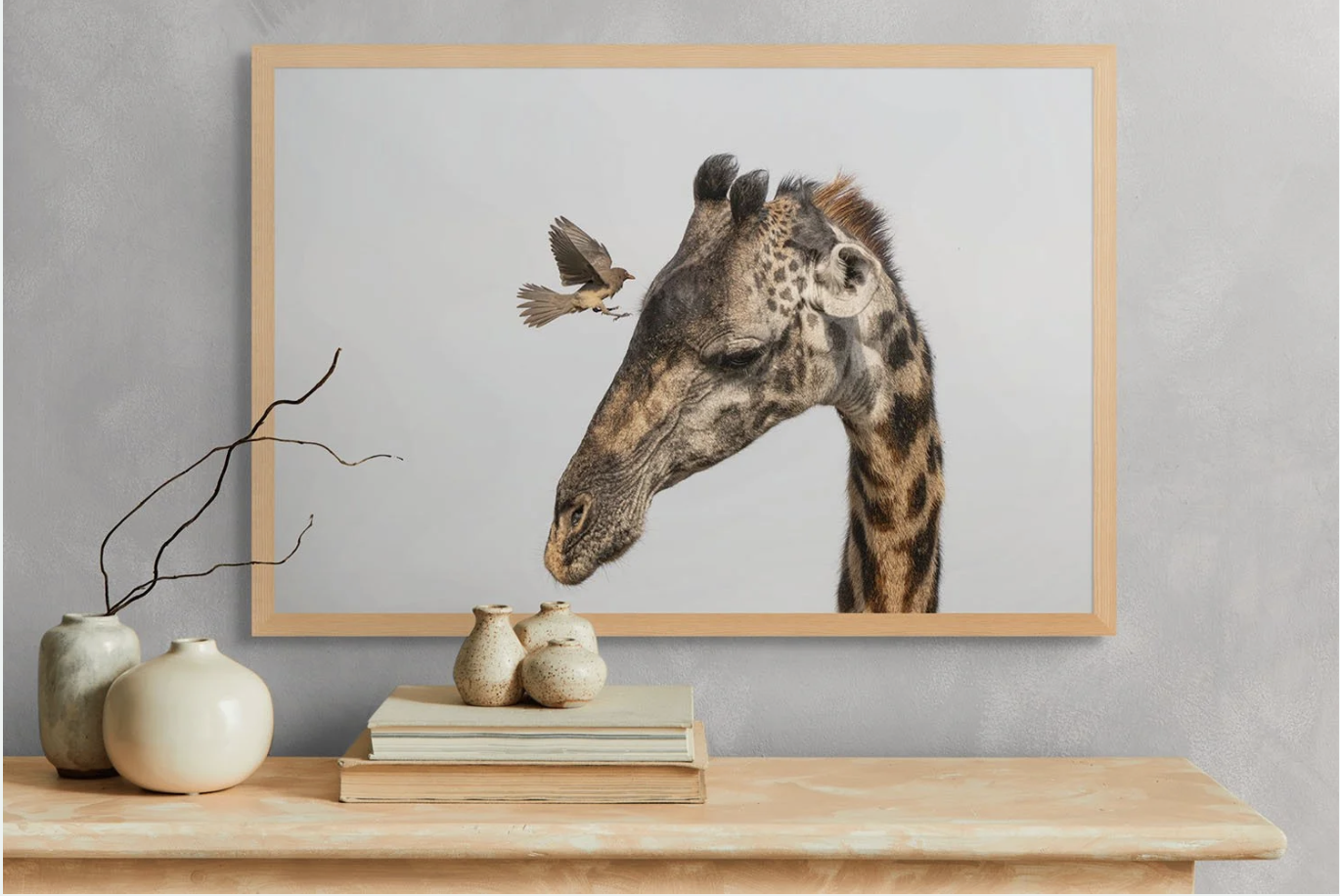
The Giraffe and The Oxpecker ©skathykarn