Do Better, Be Better
When we take a photo, we carry everything that happened around it. The long wait. The excitement. The difficulty. That’s why we are emotionally attached to our photo. A judge has none of that emotional attachment. A curator, editor or collector does not either. Tin Man Lee
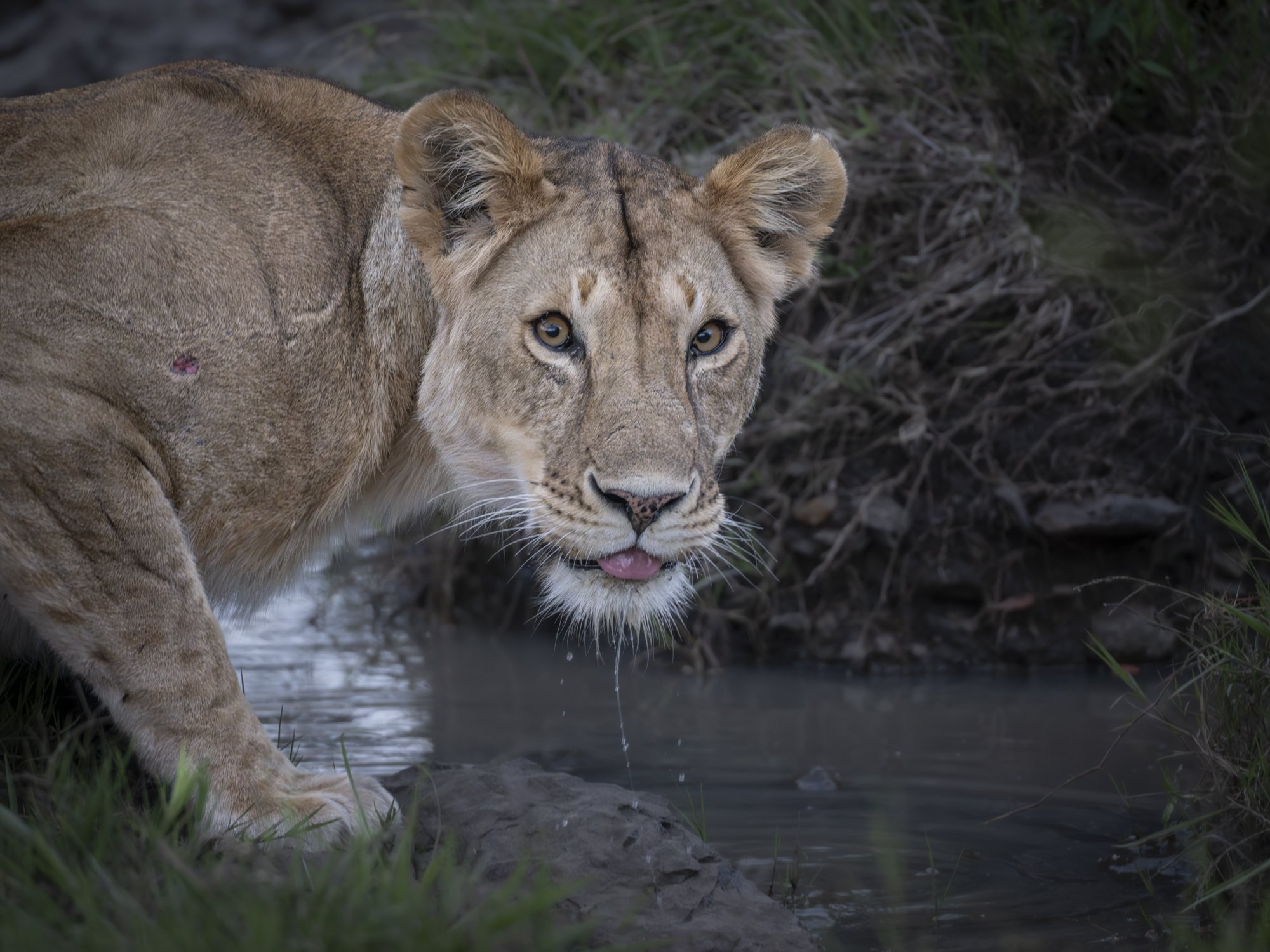
Lioness drinking ©kathykarn
Photographing African wildlife feeds my soul and fuels my creativity. The art of photography pushes me to keep on learning; get better, do better, be better. I strive to create images that evoke emotion, tell a story, stir curiosity. I study the masters. I have a big collection of large format photography books of bodies of work by extraordinary wildlife photographers.
National Geographic photographer Ami Vitale was the first person to encourage me to enter competitions as a way of getting my work before a broader audience. I’ve had some success in competitions over the years but lately I’ve been feeling stuck. My trip to Kenya last January was fabulous. I came home with memories I will treasure forever; however, I also returned with a sense of frustration. A picture of a beautiful animal is not enough. I want to engage the viewer, stir their imagination, touch their hearts, suggest a story that is bigger than the image alone.
Last week, wildlife photographer and international judge, Tin Man Lee invited photographers to submit an image for a live critique on You Tube. I submitted an image I took last January of a lioness drinking and asked Tin Man, are my edits good enough? Can I do more with this image or is it a “non photo” (a Tin Man definition) due to the background.?
Tin Man selected my image for critique. Here’s what he said
“Expression is good, water dripping from mouth, wound adds character.
Assume there is no lion in image. Where is your eye going? Where is the most contrast? Bright and dark?”
As I listened Tin Man began to draw in blue marker outlining the parts of the image that pull the eye away from the subject.
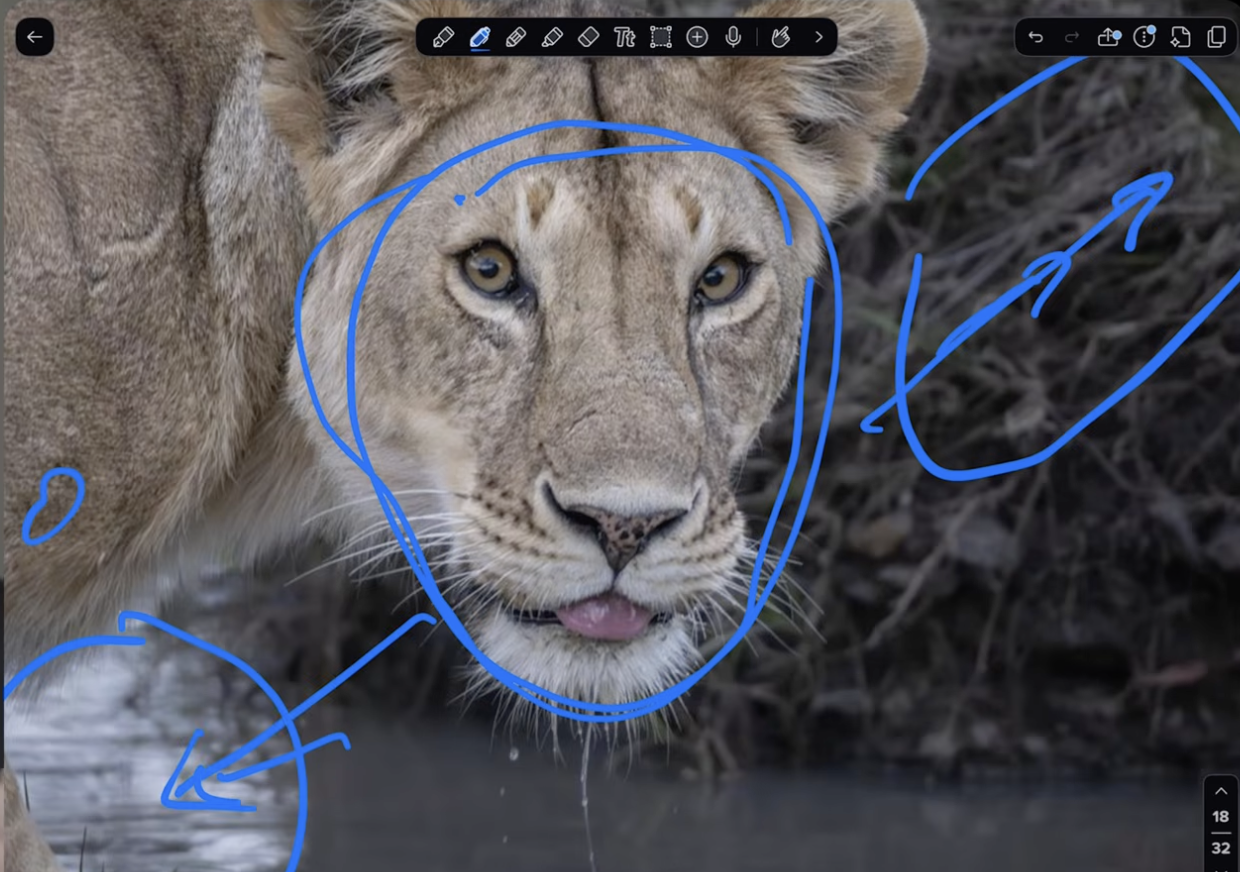
“You’re right, the background is not working, he said. A good pose is not enough. There are lots of photos of lions, therefore it’s even more difficult to create impactful images.”
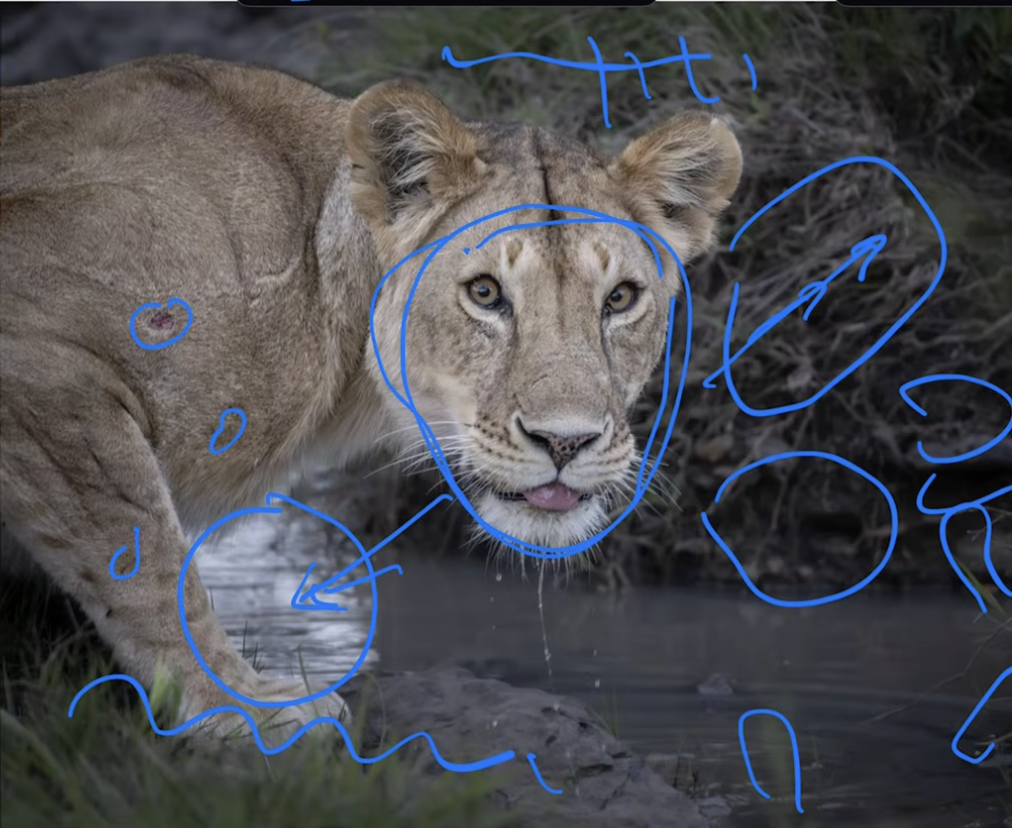
The wary look in the lion’s eyes was not enough to overcome the messy, contrasty background. In a follow up email I asked Tin Man how to deal with the fact that often the animals are in the bushes, blocked by tall grass or simply too far away to get a good shot?
He gave me the following tips:
1. Plan the trips that allow a low angle. Only a few places let you get the camera down near the animal's eye level, whether that is a pit, a low hide, a vehicle with a floor hatch, or lying behind a beanbag. Getting low is what pushes the background back and turns clutter into a wash.
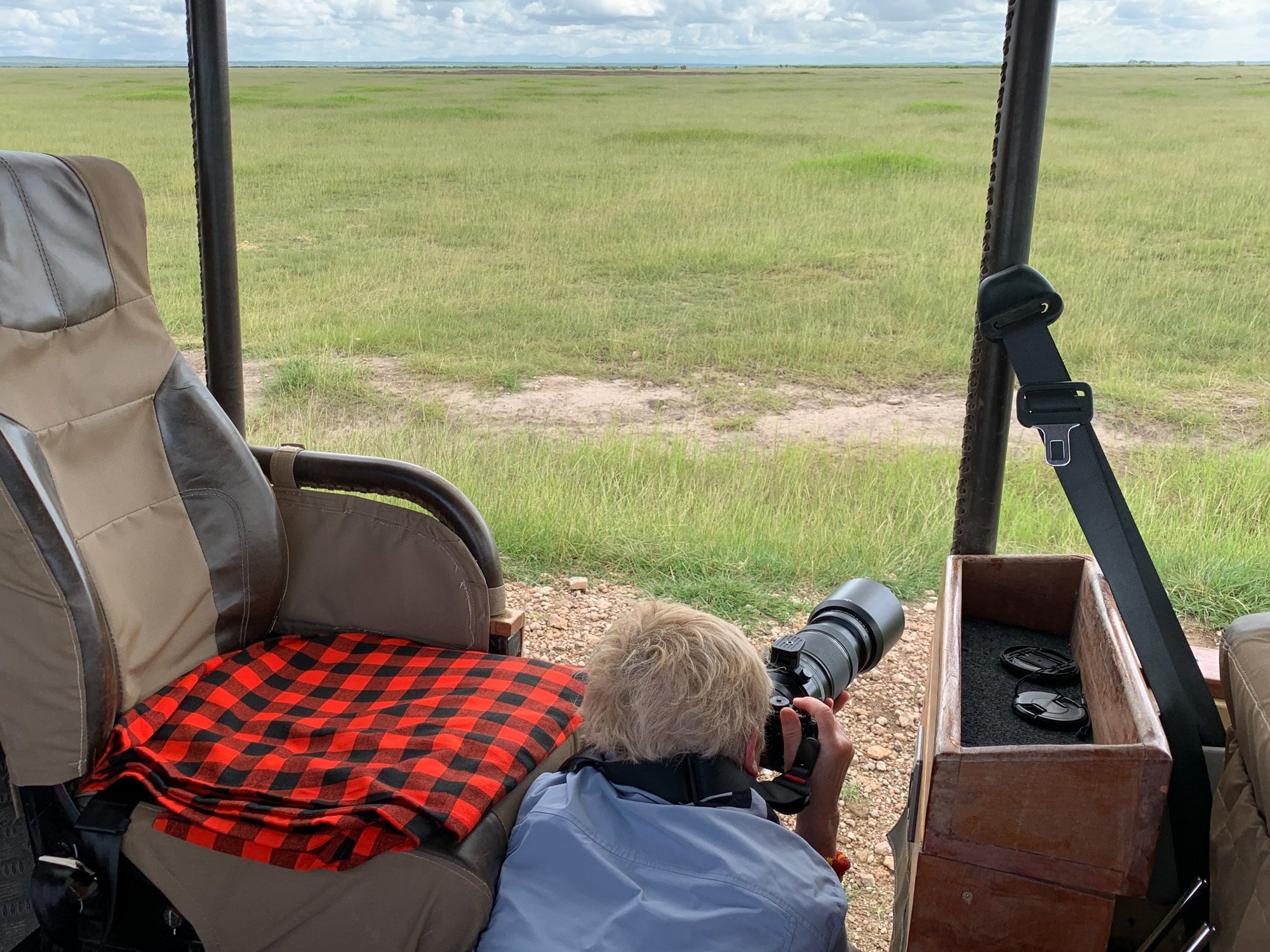
Some of my best shots are from a low point of view. Photo credit Pilipili Memusi
2. Check with the guides before you go. Tell them plainly that you want a low angle and clean backgrounds, and ask whether their vehicles, their parks and their rules allow it. Most will tell you honestly, and their answer decides whether that trip can give you the image you want.
This was great advice. The good news is I chose one of our lodges next year because it has a wonderful photo hide. I hope to get some good results 🤞🏻 I won’t have a vehicle with a floor hatch but I hope I can take some shots with the door open - that has yielded better results in the past 👍 I’m committed now to be clearer with my guides about what I’m looking for in setting up a shot. Pilipili, my good friend and Maasai guide in Southern Kenya is a photographer too. I’ll will talk to him before I leave home so we can do some planning in advance. Twende!! (let’s go!)
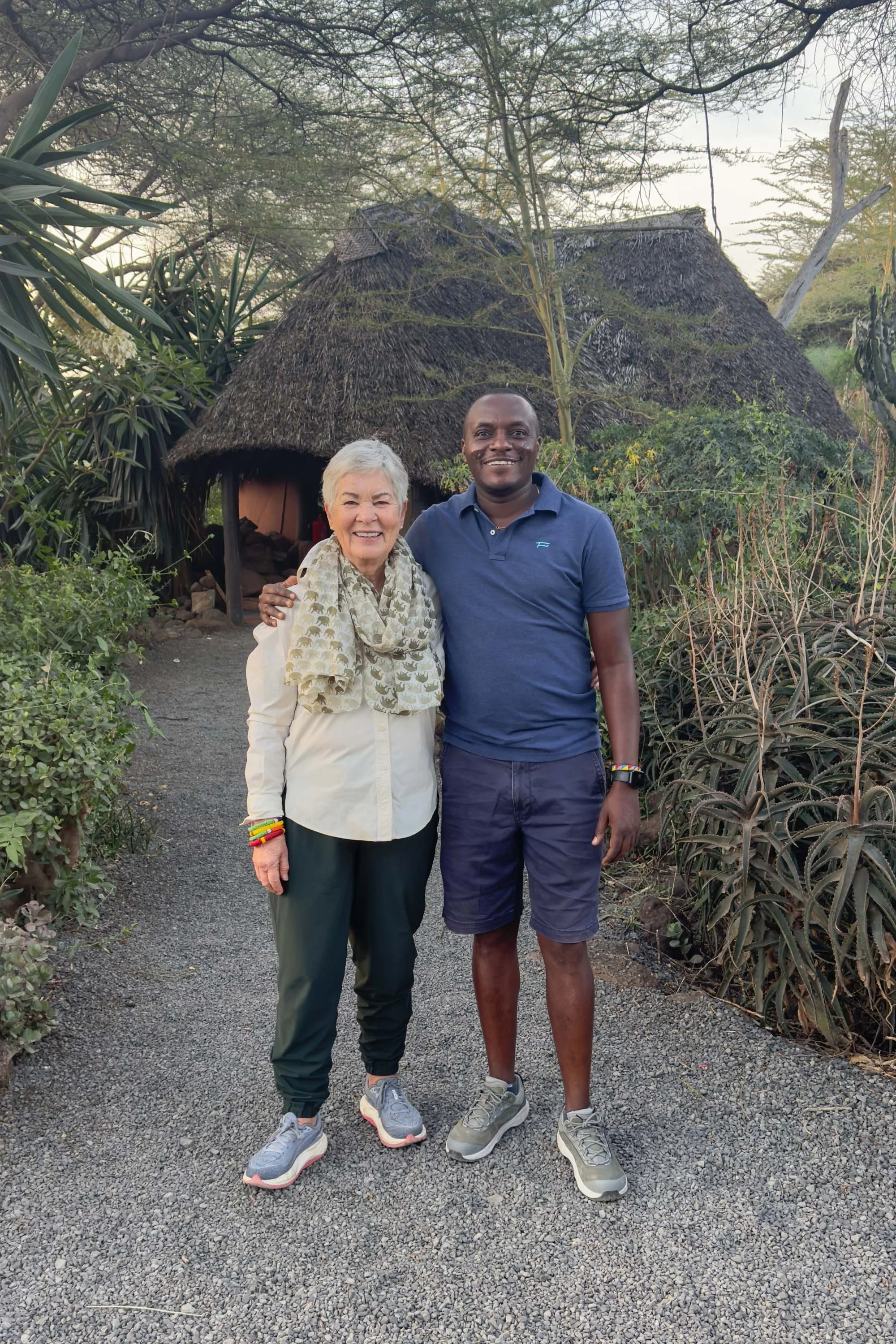
Pilipili and me January 2026
Tin Man Lee’s 5 minute score card for an image:
Put one photograph on trial. Do not defend it. Do not explain it. Do not remember the trip. Look only at what exists inside the frame.
THE TEST PASS?
1. Would I remember it? YES / NO
2. Is there shock / surprise? YES / NO
3. Does the image lead the eye? YES / NO
4. Is there mystery? YES / NO
5. Does it mean more than the animal? YES / NO
6. Are the fundamentals invisible? YES / NO
7. Would someone choose it over the rest? YES / NO
Support my work and become a paid subscriber . A percentage of your subscription supports conservation work in Kenya.
Founding members receive an 8x10 print of the award winning image The Wisdom of Elephants plus 10% off any larger format print in my gallery.
Enjoy this week's story? Share Heartfelt Stories!
Join the conversation. I love to hear from you, please post your comments below. Support conservation, subscribe to my blog on Substack or shop my online store, a percentage of sales supports wildlife conservation in Kenya.