Craig’s Last Day
It was a difficult moment. No one could talk. No one could communicate. The whole area becomes a silent DEATH PLACE! Big Life Warden James Kupere
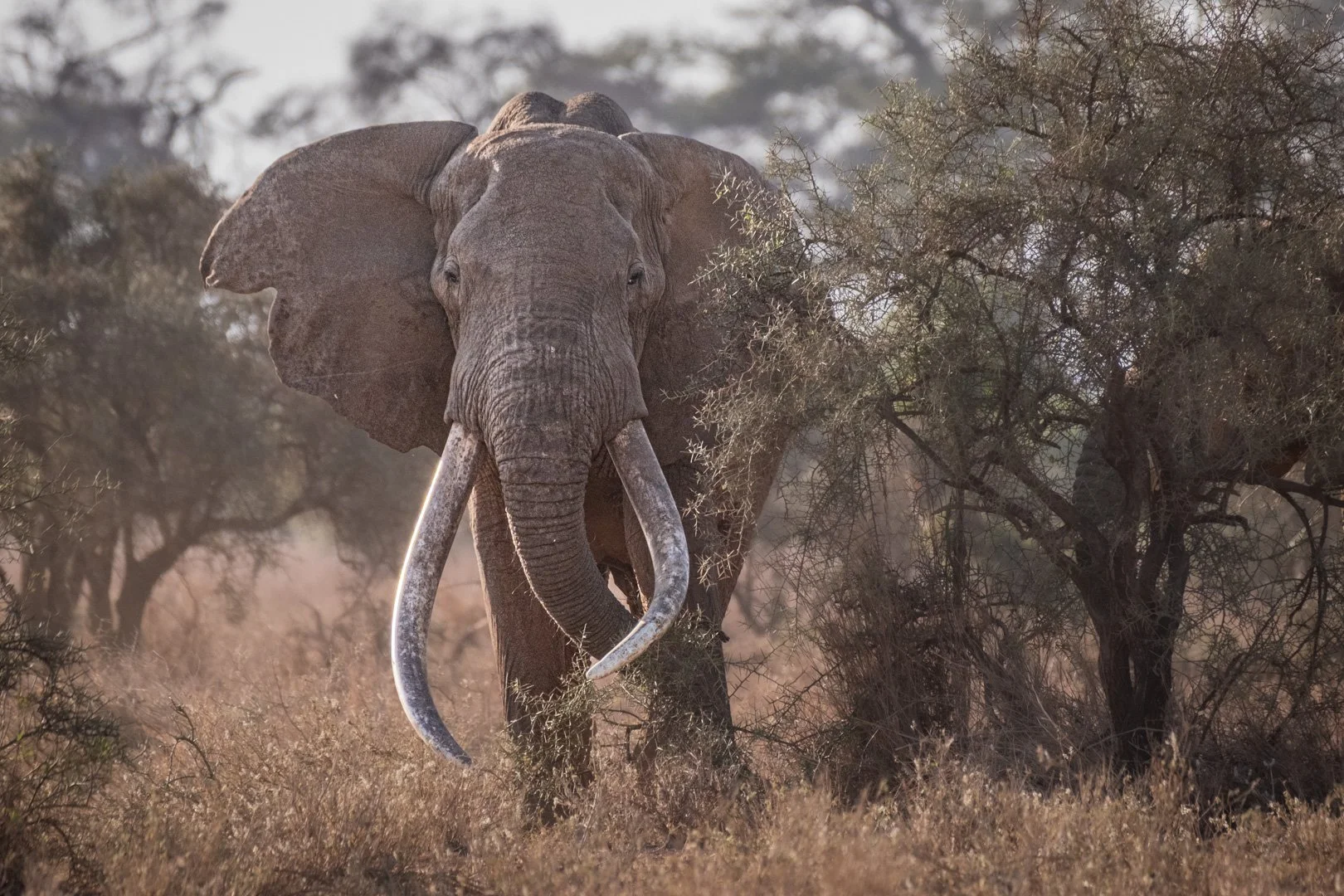
Craig 2022 ©kathykarn
Last week, I had the privilege of meeting the Big Life team who protected Craig and were with him when he died. Here’s the story as told to me by James Kupere, the Warden at Big Life who was responsible for protecting Craig, Africa’s most photographed and beloved Big Tusker.
KK: I understand you knew Craig very well.
JK: Yes.
KK: I met him a few times, he touched me deeply, he was an extraordinary elephant
JK: Yes, he was. Here is the story about what we faced.
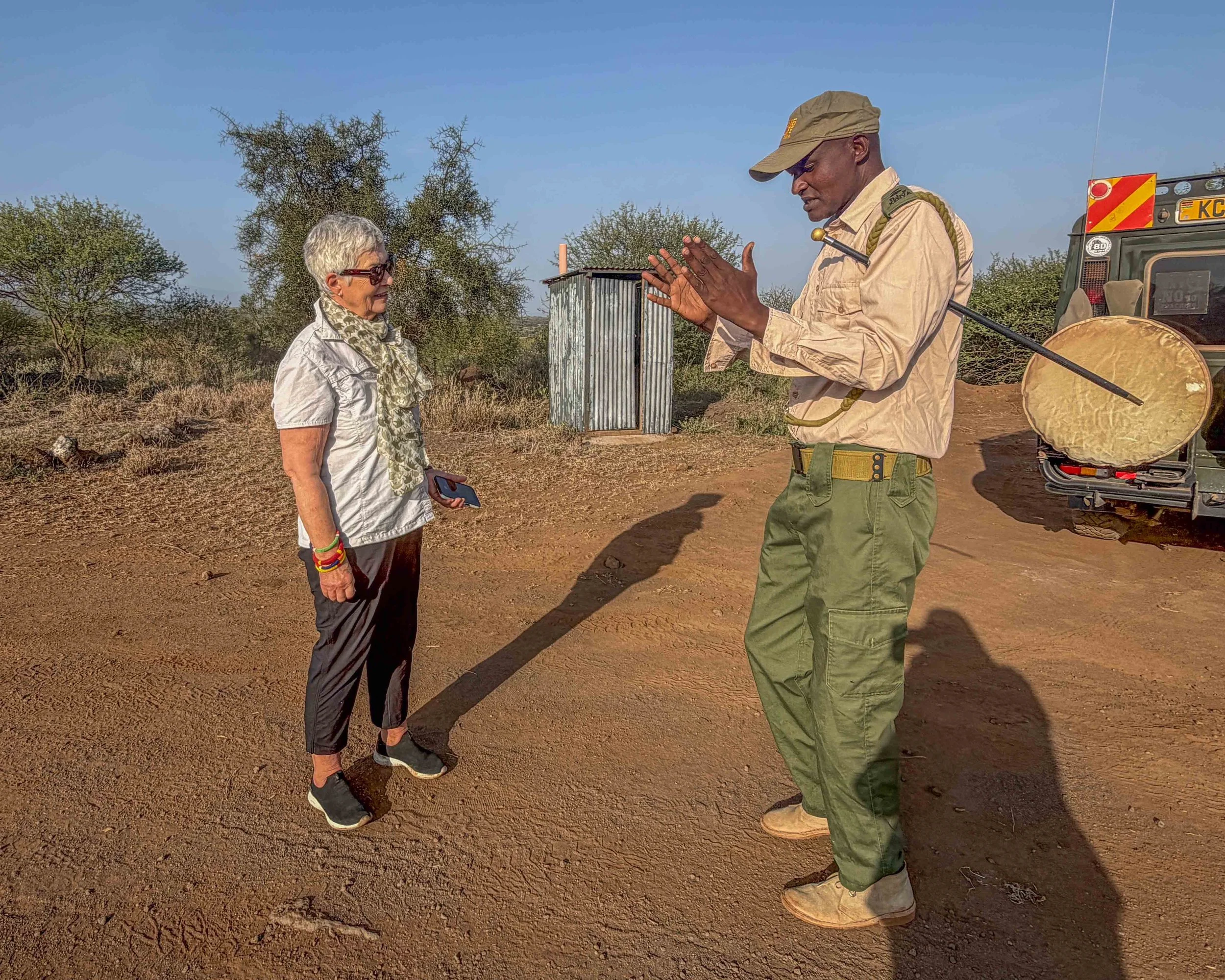
Photo Credit Cathy Langen
Craig was one of the biggest tusker elephants in Africa. He was a very special elephant, a peaceful elephant, a friendly, community-oriented elephant. He went door to door without interfering or causing any threat to the people. Craig was known as a browser and a grazer, not a crop raider. He roamed primarily over 3 areas, Kimana sanctuary, Kitende Conservancy and Amboseli National Park.
As a warden for Big Life, I stand here for wildlife. I stand here for rangers. I stand here for the community. My daily assignment was all about knowing where Craig was. He was amazing and it was our responsibility to ensure we see him every month. How healthy is he? Is he feeling well? Where is he? Such a big elephant had a lot of enemies, particularly poachers. We have what we call in our professional life, “future intentional poachers”. We don't know exactly what poachers are planning, but we do know that they are planning something because of a ready market. We know that anything can happen and to avoid this we must be able to monitor this elephant for the betterment of Amboseli, for the betterment of Big Life, for the legacy that he leaves this country and legacy he leaves here. That was our responsibility.
There was also a lot of filming that was done because of Craig. He was friendly, you could take many photos without any interference. Every visitor that came to Amboseli knew there is an elephant called Craig. Knowing this we had to ensure that we monitored him so that visitors cannot surround him the whole day and prevent him from grazing and browsing. That was another one of our major tasks. We needed to regulate and tell them, stay for 10 minutes and then back away. We didn’t want him to be disturbed. Our only concern was his safety. We don't deny anyone, but we ensured that at least you leave him peacefully grazing, resting, and drinking. So that is why Big Life monitored him, knowing that many of the people around the world wanted to see him, but we needed also to tell them, enough, have good will, allow him to feed so he won’t go hungry. We are grateful because many people appreciated our work.
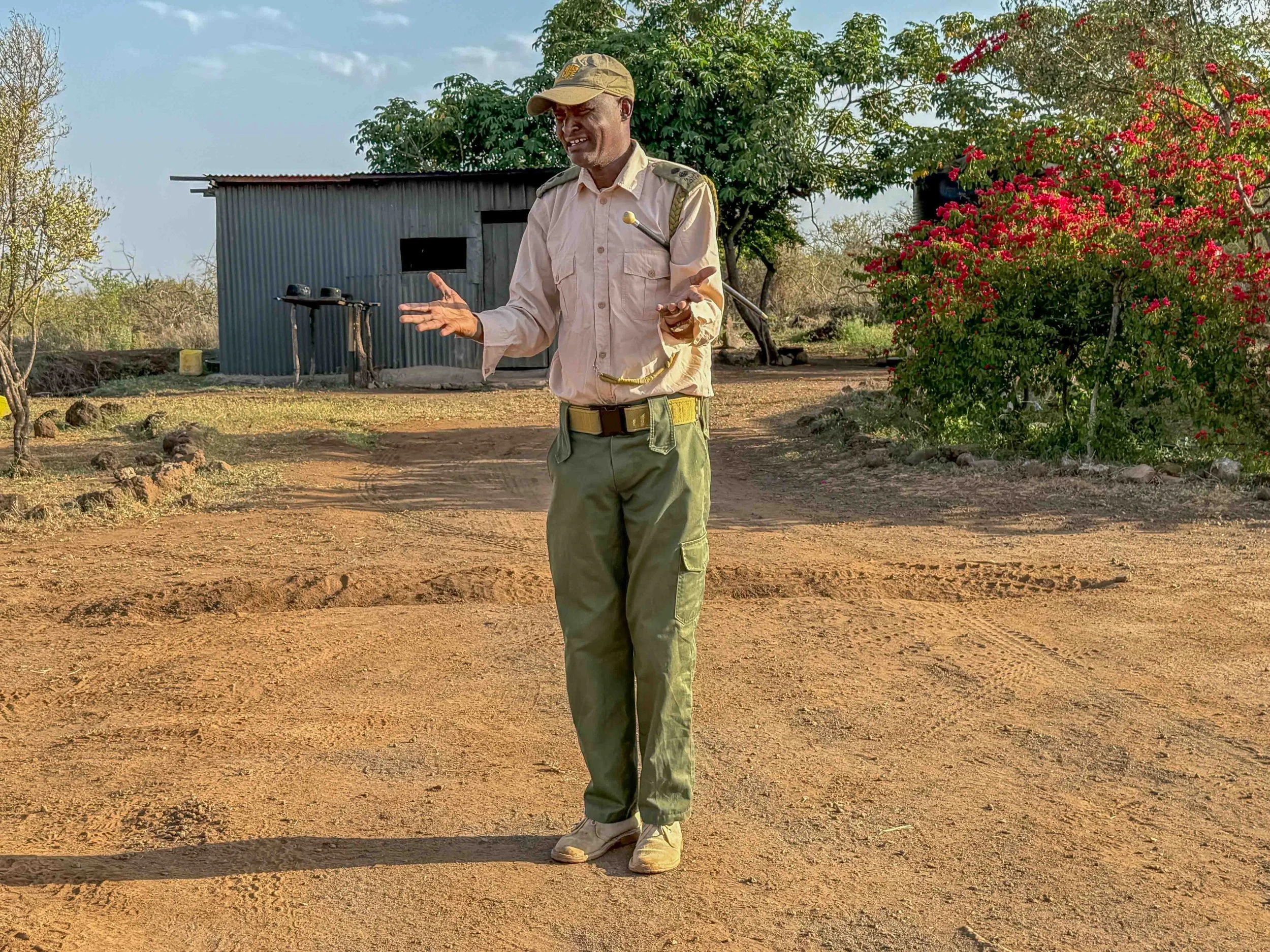
James Kupere ©kathykarn
Now I go directly to Craig’s last day. On the 2nd of January 2026 we heard from a community that Craig did not look normal. He was waking and falling down, waking and falling down. On that day I had two vehicles. One was with other activities for the elephants, and the other one had a mechanical problem. I had to call the team and say “Stop whatever you are doing, there's an emergency. Don't wait for me, go direct”. I did that because we give priority to the wildlife, more than me. I called Mobile 2 to come and pick me up. Thank God the car came quickly, and we reached the ground around 6:00 PM.
When we reached Craig, the team was waiting with him. Because I am the decision maker here, I also contacted KWS (Kenya Wildlife Service) veterinary officer and the KWS response team at Amboseli, all of us met there. What we found was true, Craig was not normal. We were able to see that what happened at Kimana Sanctuary in November is exactly what was happening here. We thought, wow, he's having digestive problems exactly like then. We wondered, is this elephant having digestive problems because he went to the farms? But we realized he never went to the farms, only that he had digestive problems and constipation. When the veterinary officer arrived, we asked him what to do. He said, have your rangers monitor the elephant. Remember Craig was 54 years old in 2026; this is old age. They left to rest; we stayed close by to monitor Craig.
I told my team we're not going back, whether we’d eaten or not. We don't go back, we don't go back to camp, we stay with him. So that is exactly what we did. We went slowly with the elephant; he didn’t fall down again for one hour until we reached a community waterhole. Craig was trying to get to the water, when he reached the water, he stood and then changed the route and went to the other water pan where he took a sip, just a sip. After taking that sip of water he fell down. He went about 50 meters and he fell down again. Any time he fell down I recorded the time he fell down and how many minutes.
He was really struggling. Every single time he fell down he took 2 to 3 minutes to get up. He seemed healthy but at the same time very sick, and in a lot of pain. After he got up, he moved again as if he's going back to where he passed and he met two other elephants. He moved slowly to thick bushes, where there was some rainwater in a small dam. He took another sip. He fell down again. He got up after three minutes; he fell again then he waked again. We followed him for 2 hours in our vehicle. It was thick bush, very muddy and very dark.
When he stands, we stand. We go on ensuring his safety. We wanted to see the morning when he's alive. Then suddenly he moves again, there was no water in that area. We go further and we found another water hole. He took a sip, he fell down again. From there the place became hard terrain. I was with this team (James points to the team of four young men). This is the driver. They are very bright when they identify elephants.
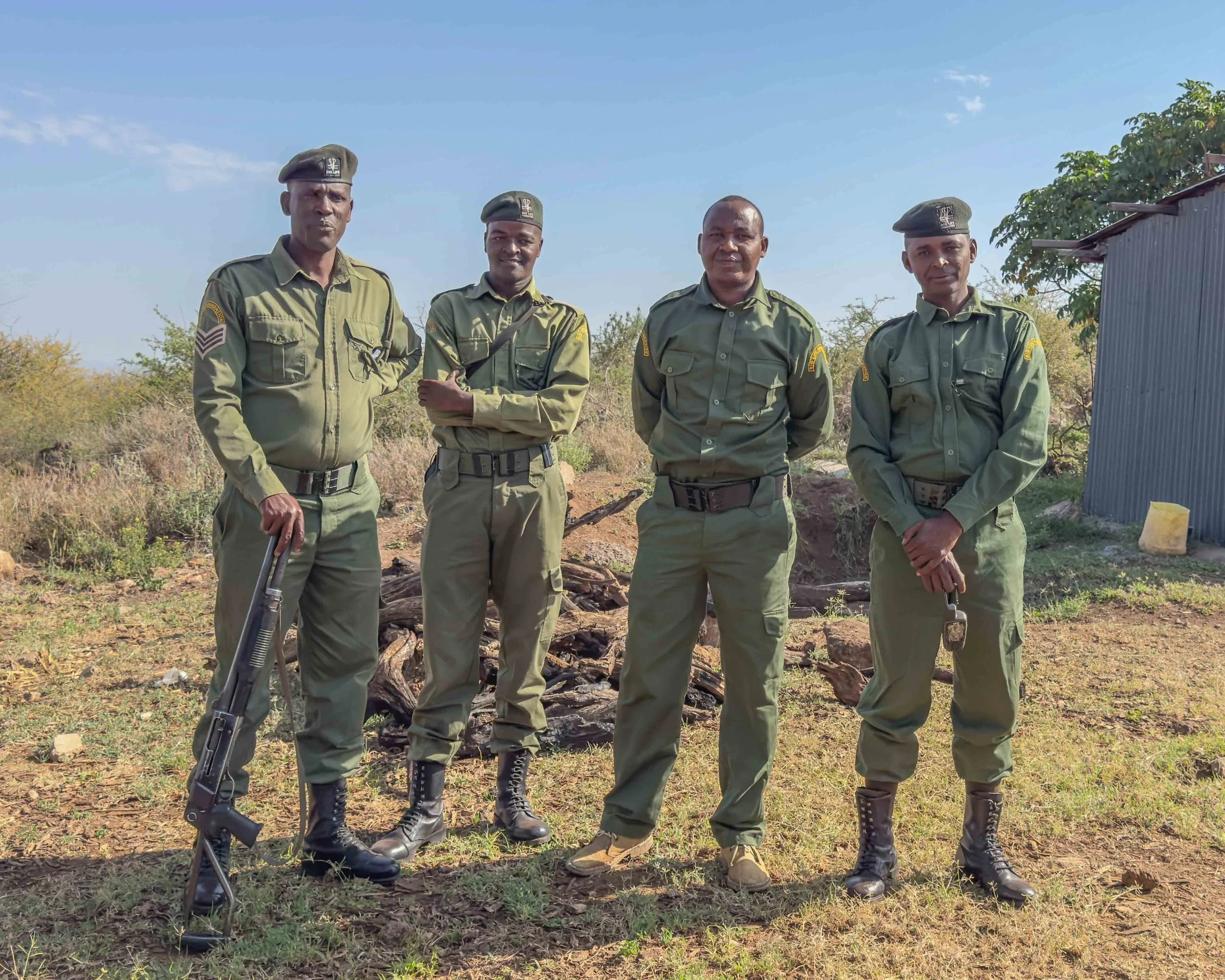
Big Life Ranger Team ©kathykarn
When we came to the hard terrain we went on by foot. After Craig took that sip of water he climbed a hill. The team was on the ground following him, but it was very thick bush! Suddenly we noticed there were a lot of hyenas. I don't know what they were smelling. We wondered, why are these scavengers following us? Then we came across a herd of zebras, making a lot of noise because that area was green and they wanted to feed. They saw us, they saw the lions and all that. We were able to follow until Craig came back again and he crossed a lugge, a bit of a river. Then he rested one hour.
KK: You just waited there?
JK: Yes.
KK: With the hyenas around you?
JK: Yes, that is no worry, just our wildlife, that is part of our world, we don't interfere with anything.
When Craig crossed the lugge, actually, before he even crossed that lugge, he fell down again. I indicated at 2:36 AM he took 5 minutes to get up. I told the team, this elephant is becoming sicker, it is becoming harder for this elephant to survive. Before when he fell down it was 2 - 3 minutes. When he fell down for 5 minutes, I felt there is a change here. Something is alarming.
We were able to go and cross that lugge. The other team were over in that corner (points to our car a few meters away) and we are there, a bit of distance and looking after him. Then Craig rested a bit. Remember, what was allowing this elephant to survive is just that small sip of water, that small sip of water. I think his whole body hurt so much he needed a bit of water to cool it.
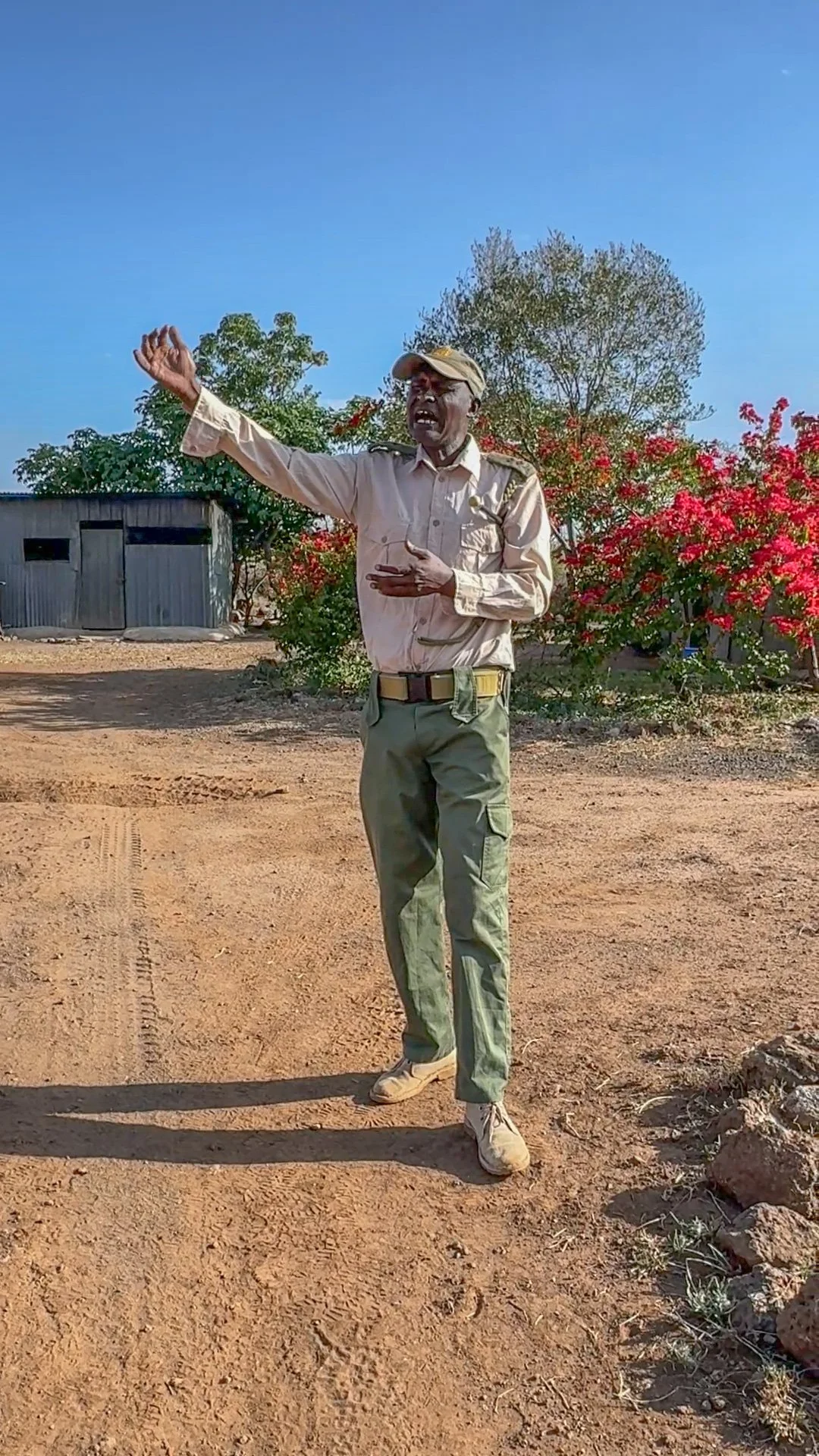
James Kupere ©kathykarn
Then he rested 2 hours. Around 2:00 PM he was still standing. This elephant used to move very slowly, but that day he was moving at an abnormal speed. The whole team was becoming exhausted. We thought, yes, the movement is not bad, but behavior wise, based on falling, waking up, falling and waking up, is a different indication. Then he came back again to cross that lugge, climbing exactly the very hill that we came from. When we reached a huge thorny area, I was able to see this elephant swaying sideways, this way and that.
Craig came not far from us to a tree, like the size of the acacia tortillis there (points to a tree). He stuck his tusk this way (James holds out his arm) and fell down, with no voice, no scratching of anything, he just fell down. That was exactly 3:32 AM. All our vehicles and rangers were there. At 3:32 I wrote to the office that we do not see any positive indication of Craig the elephant. At exactly 3:38 I gave condolences to the head office telling them that …. we were suspecting that …..
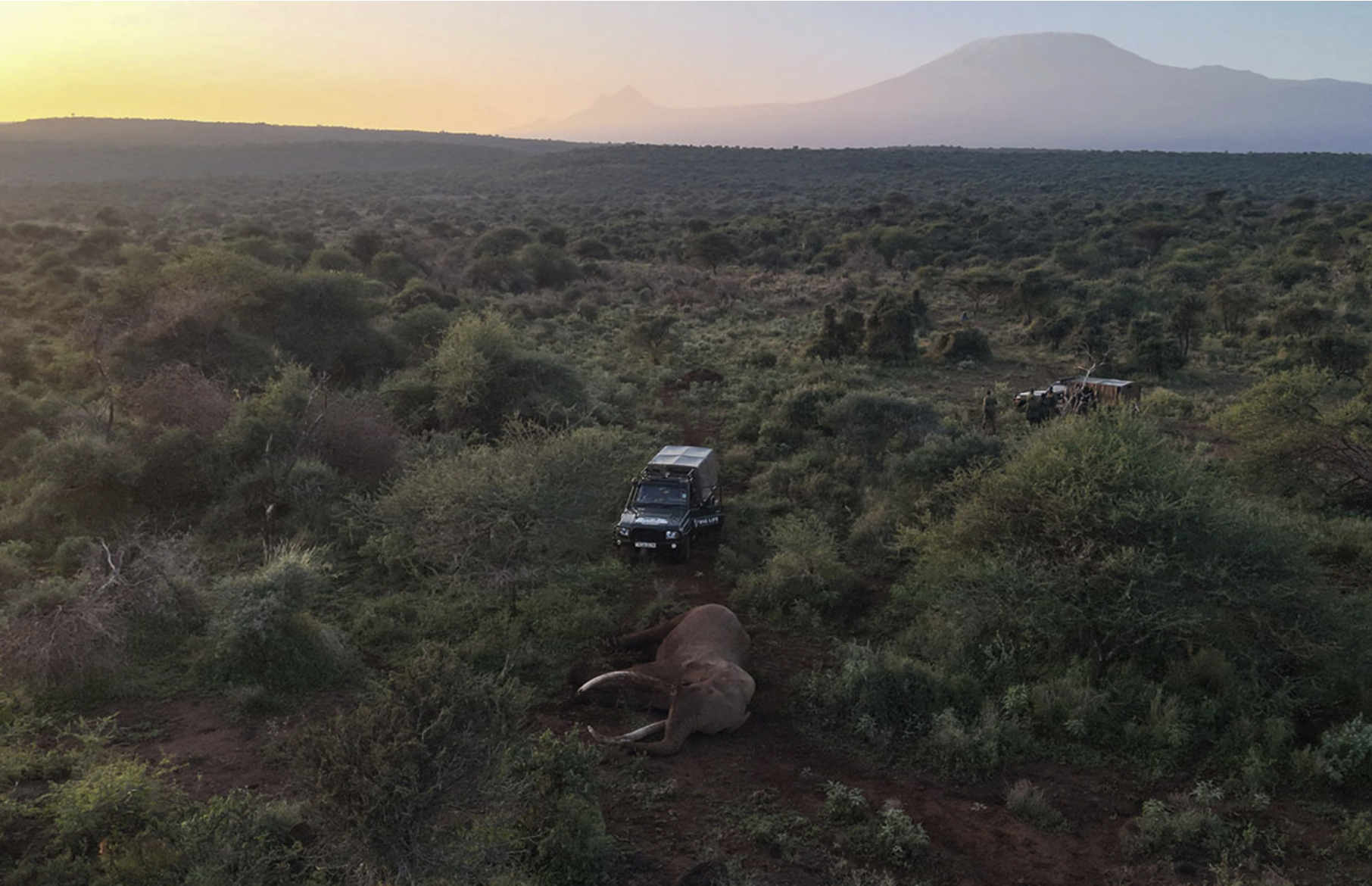
Photo Credit Big Life
You know, to pronounce the death of an elephant is just like pronouncing the death of a human being. You must inspect and …. (James chokes up) because when we had of the story of this guy we really feel like we lost everything. At 3:38 AM I wrote to the office that we suspect Craig is dead. And at exactly 4:00 AM I confirmed that the elephant is dead.
The elephant was here (points to our car nearby) our vehicles were here (very close). The reason why was we needed to secure the scene so there would be no tampering the scene of Craig. I defined the scene to my reporting office because we have a clear standard operating procedure when reporting events. The whole team was worrying what is happening. When they came on the ground, they pronounced that Craig was dead.
It was a difficult moment. No one could talk. No one could communicate. The whole area becomes a silent DEATH PLACE! In fact, our Rangers cried and cried. All of us cried, even those from the community who came, even those who will not be able to explain in English. All those who came, respected how Big Life protected him. The elephant died on their hearts.
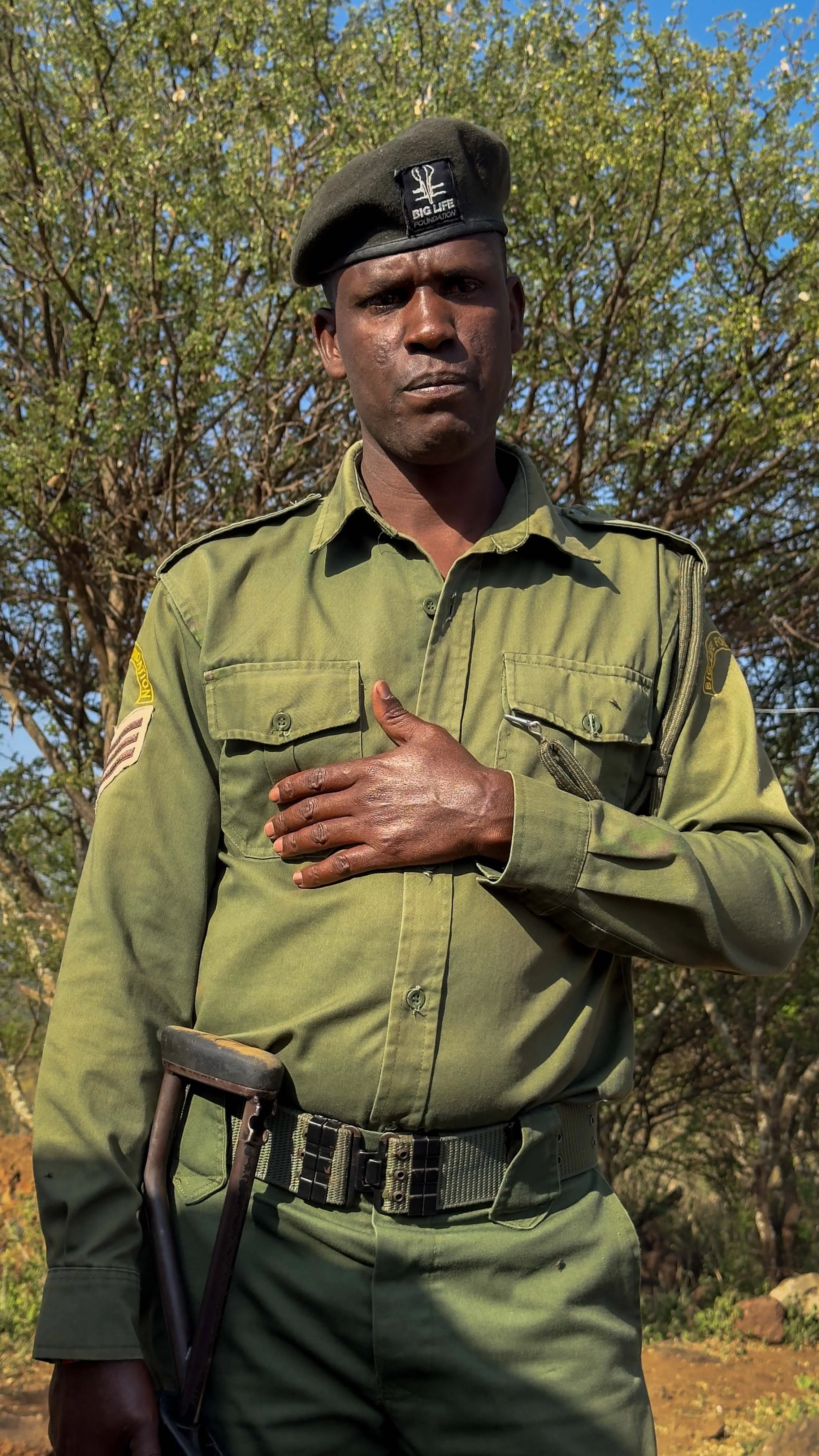
Big Life Ranger ©kathykarn
We contacted KWS that this is the situation, we were with the elephant, kindly come and confirm. We called them because the government is the custodian, the veterinary in charge is the one who confirmed the whole thing. They came. We did a postmortem. Once we saw how everybody was coming, then we realized how important Craig the elephant was. All the mamas who came were crying. All the community people who came were crying. They mourned and cried. Everybody was saying, “This is our elephant. The elephant that doesn't hate people, he doesn't threaten, he doesn't scare. An elephant that is peacefully grazing with no any alarming, no reporting of incidences.
The team who were there came to realize that yes, this elephant really tried to survive so long. What happened is what you call twisted gut. The digestive system was fully blocked. Therefore, this smallest sip of water that was taken by Craig is the one that was accommodating him for almost a month. That liquid is dropping a bit so that small breathing allowed him to survive a bit.
The smaller intestine grew from 3 centimeters, which is normal, to 14 centimeters. We knew that the elephant died of old age and he could not be treated. We confirmed old age and natural death. Remember, when these elephants reach 60 that is very old. When they reach old age, they can no longer consume hard things like the trees and branches. They prefer to graze on soft grass. We are in a drought, so plants are tougher now for browsers.
We faced a lot of sorrow and a big challenge. But we are optimistic that the legacy of Craig and the team on the ground, is immeasurable and unforgettable. A day will come where all the offspring that we have been protecting from Craig will be revealed. I appreciate and thank you for everything and welcome! I say “ashe oleng!” (thank you in Ma).
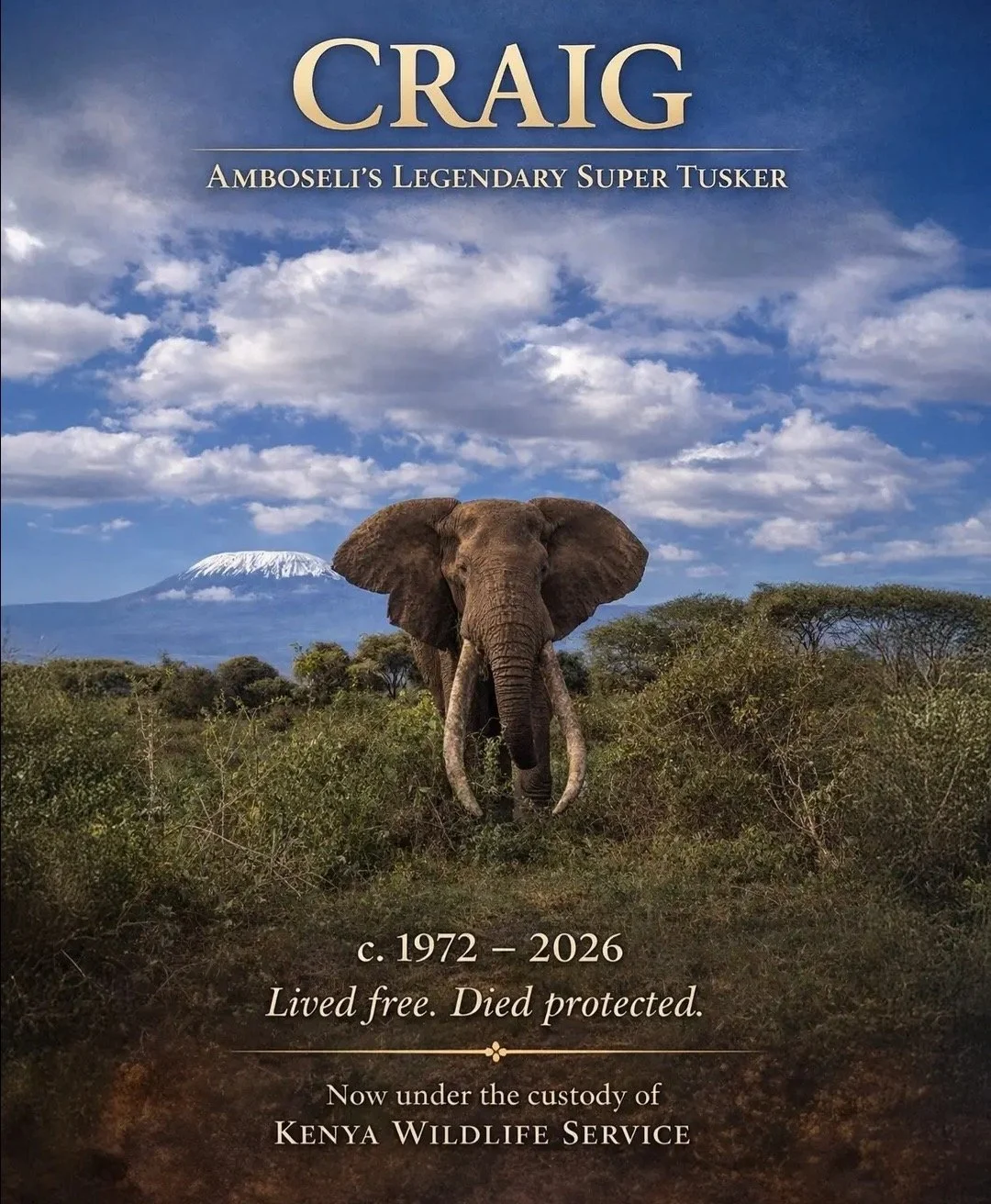
Enjoy this week's story? Share Heartfelt Stories!
Please hit ❤️ button below, share your comments here and share this story with friends who would love it. Your presence and engagement makes a difference. Thank you for being a subscriber. A percentage of all sales and Substack subscriptions supports wildlife and conservation in Kenya.