The Circle of Life
When we try to pick out anything by itself, we find it hitched to everything else in the universe, it becomes impossible to contemplate this one thing without contemplating the nature and meaning of existence itself. John Muir
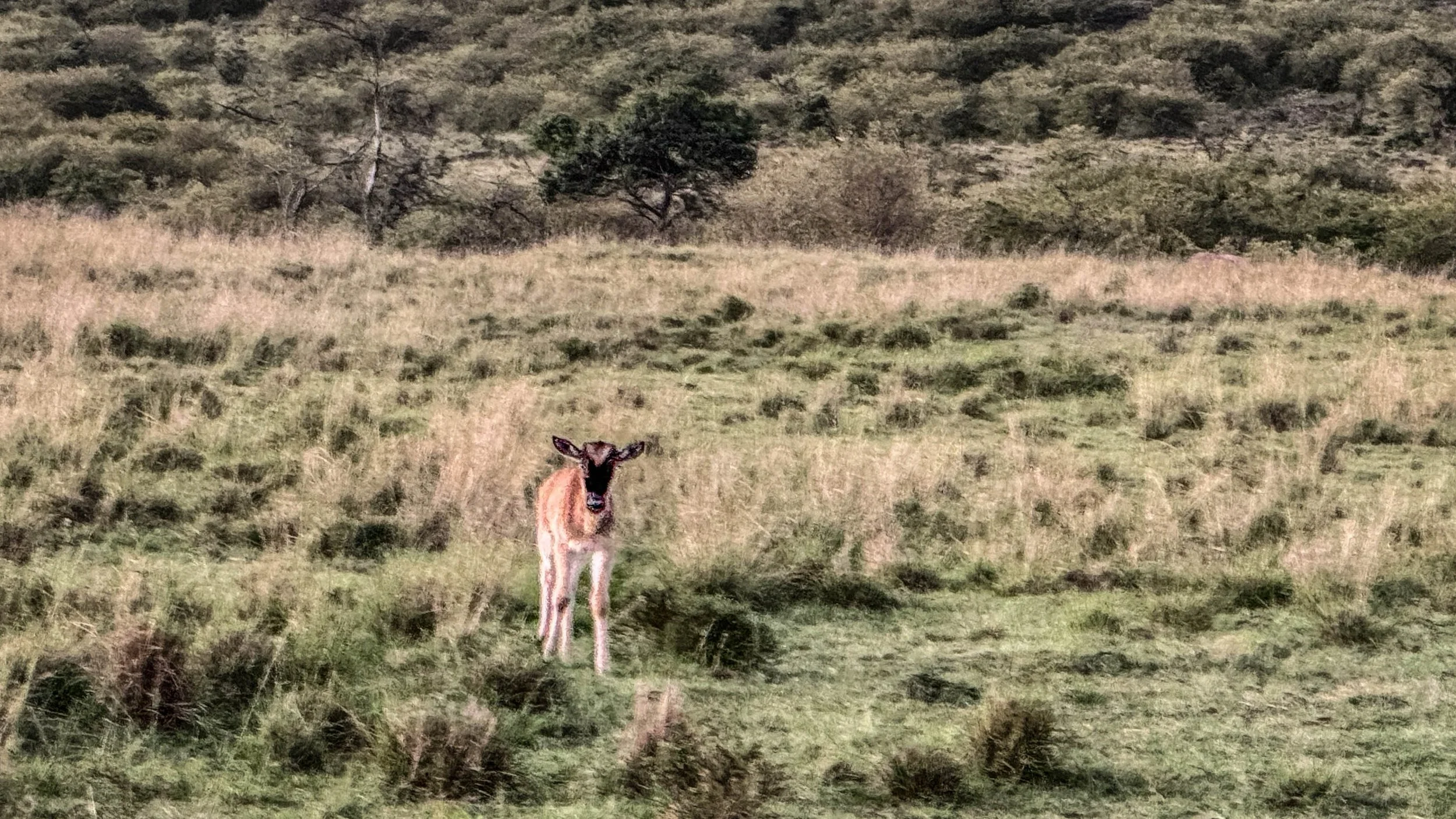
Wildebeest calf ©kathykarn
The tawny wildebeest calf walked tentatively (video clip) towards our vehicle. His movement and curiosity conjured up the question “are you my mother?” We discovered the solitary calf on a morning game drive in the valley below our camp. Where was its mother? Where was the herd? There’s safety in numbers on the savannah. With sinking hearts, we knew the calf would not survive without its mother to protect and feed it.
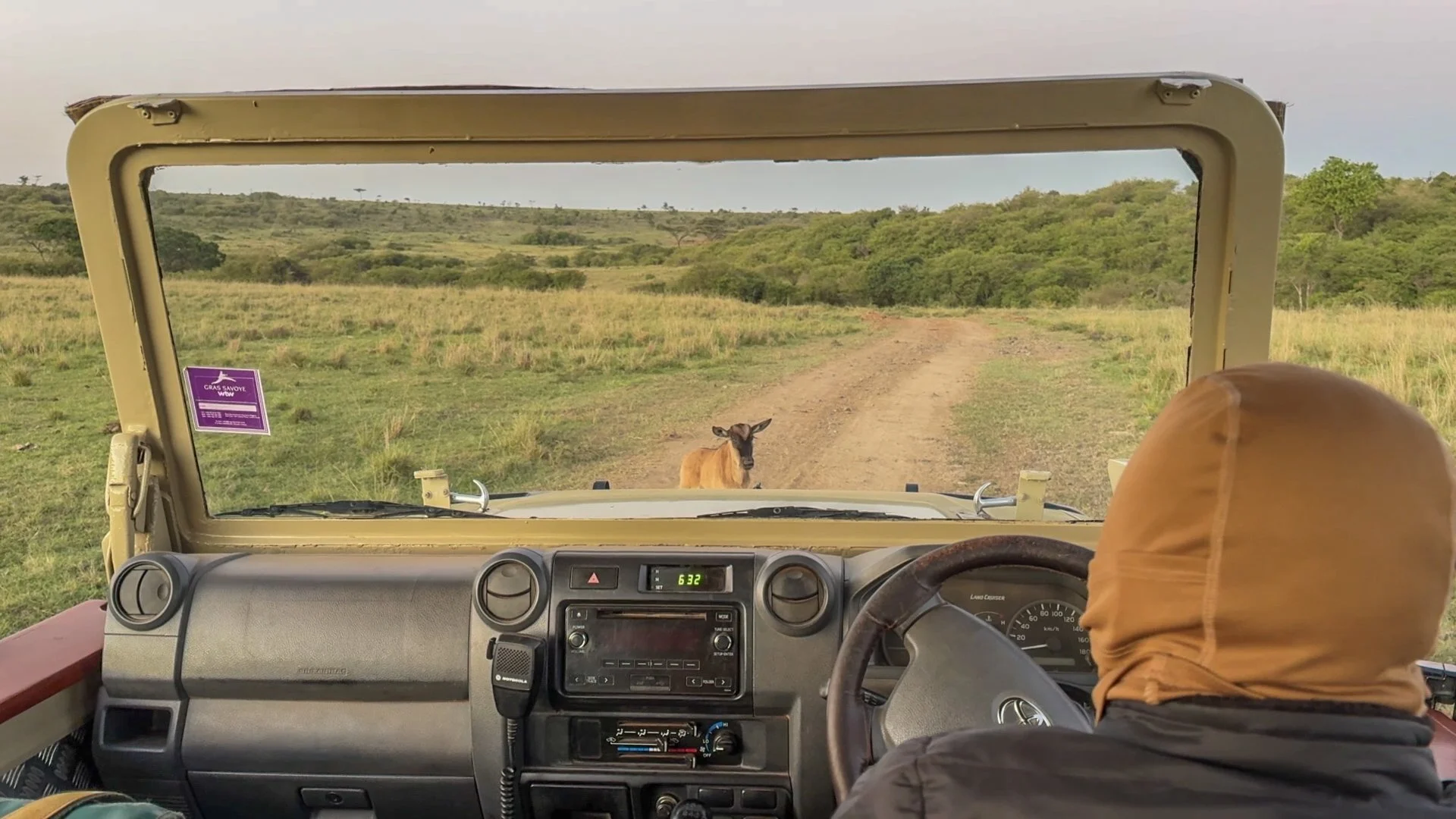
Are you my mother? ©kathykarn
“It’s nature” is a phrase I often heard from our Maasai guides when we expressed sadness or fear for the survival of an animal. The sentence isn’t cold-hearted; it reflects the acceptance of nature’s circle of life and death. On safari it’s impossible to escape from witnessing the drama of life and death in the African bush, in this case, the calf’s vulnerability and inevitable fate. With sinking heart I knew the calf’s death would feed another’s life; it’s nature.
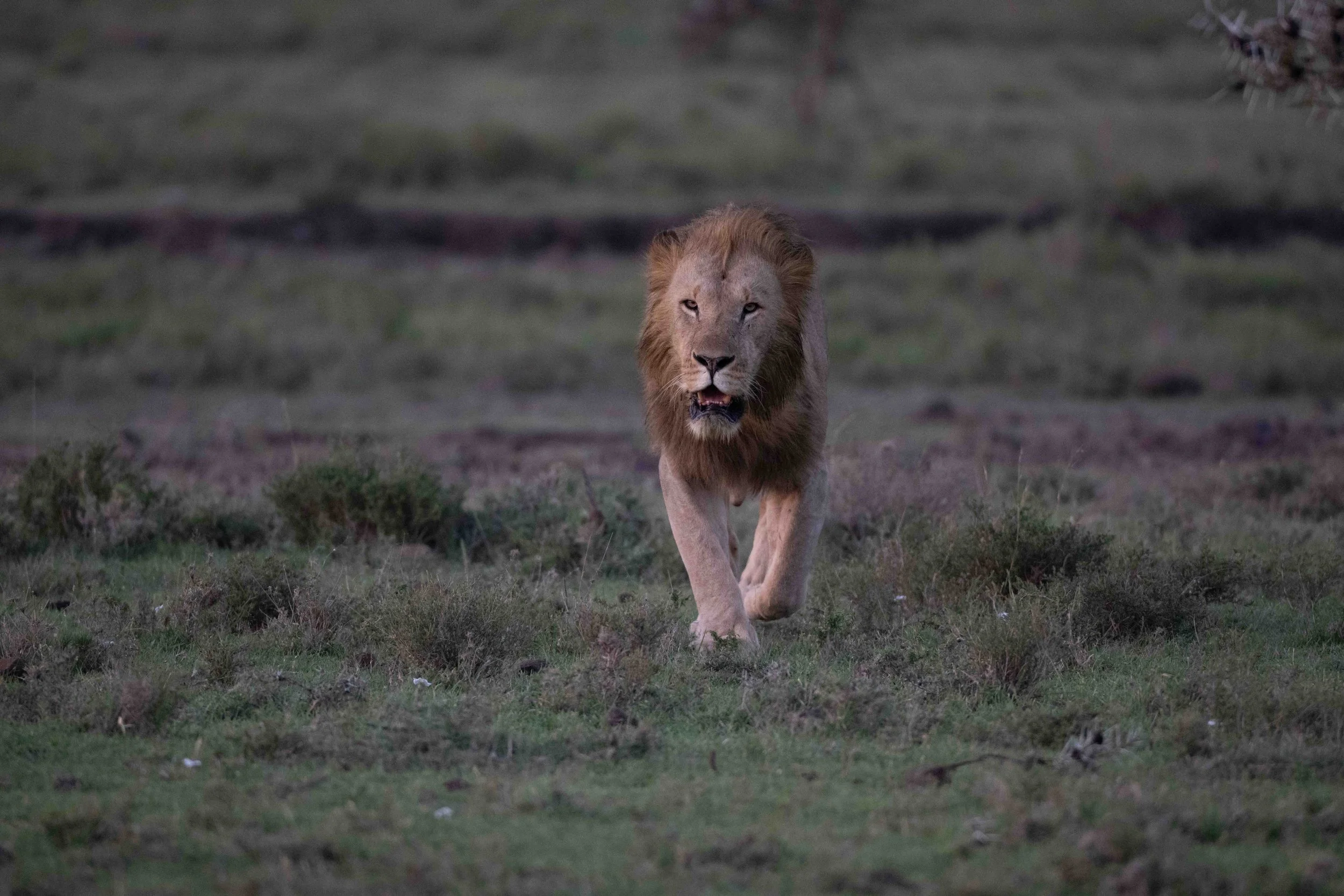
Male lion returning home ©kathykarn
Reality was driven home soon after when we met a male lion returning to his pride after a night of hunting. Perhaps it was his roar that lulled me to sleep the previous night. Perhaps it was his pride that feasted on the calf’s mother. The pride had several cubs to feed – it’s nature.
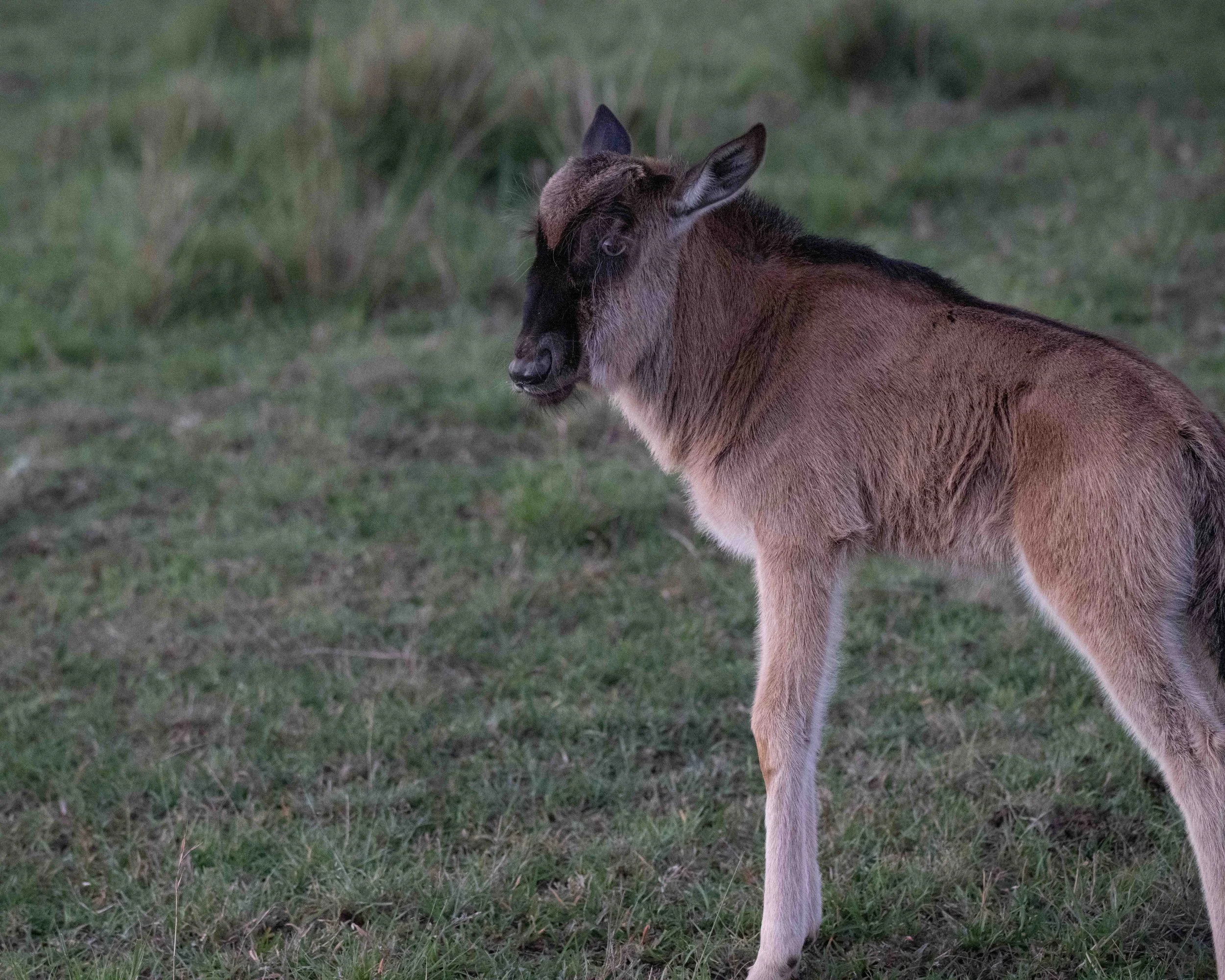
Wildebeest calf ©kathykarn
Wildebeests are the dominant antelope species in the largest migration in the world. Noisy and restless, they are continually on the move, following the seasonal rains on the Serengeti grasslands in Tanzania to the Maasai Mara savannah in Kenya in a migratory circle of 800 to 1600 kms each year. They are one of the main food sources for predators like lions, hyenas and cheetahs.
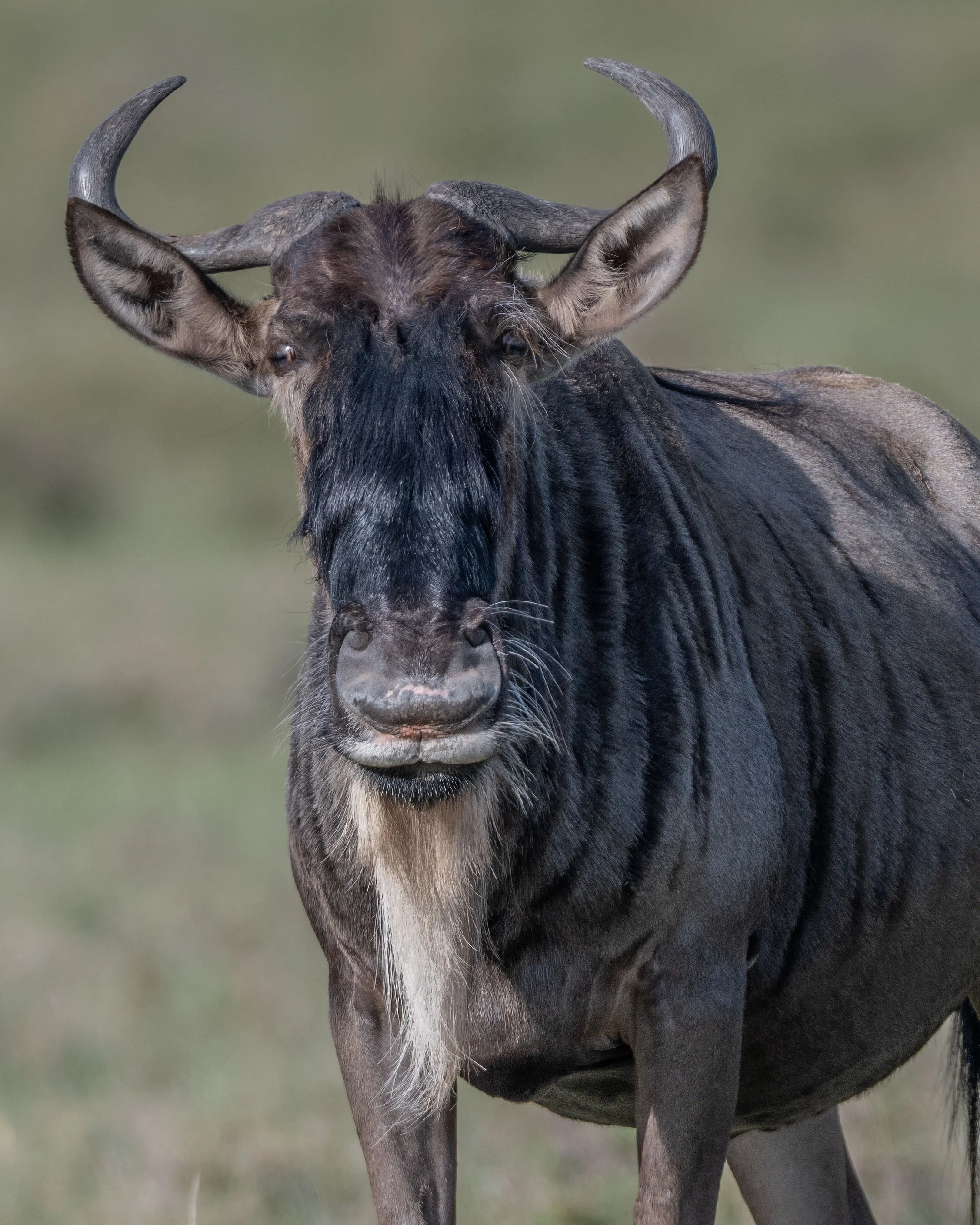
Wildebeest ©kathykarn
According to popular African folklore and oral tradition, the Creator made the wildebeest using leftover, spare body parts from other animals:
Horns: From a buffalo
Head: From a warthog
Body: From a cow
Stripes: From a zebra
Tail: From a giraffe
Legs: From a goat
Beard: From an old man
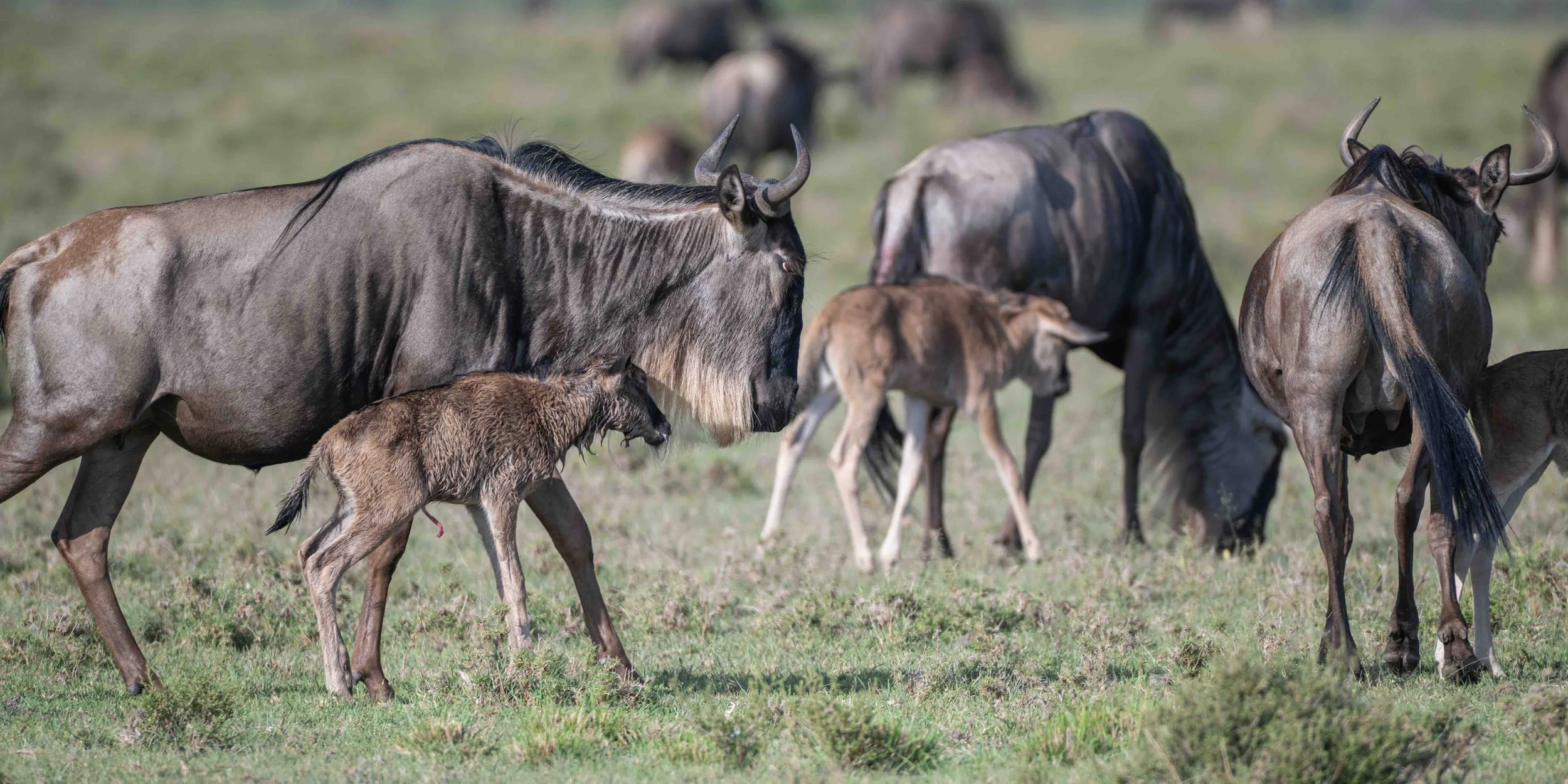
Wildebeest herd and newborn calves ©kathykarn
Late the following morning we passed a large wildebeest herd. “Look there’s a newborn calf,” said Jackson our guide. The calf, wet from birth, its umbilical cord still intact, struggled to its feet. I learned that most females calve late in the morning when lions are sleeping, giving their calves a higher chance of survival. Calves can stand within 3 to 5 minutes of birth and run in 5 to 15 minutes, allowing them to keep pace with the herd almost immediately to avoid predators. It’s extraordinary, it’s nature!
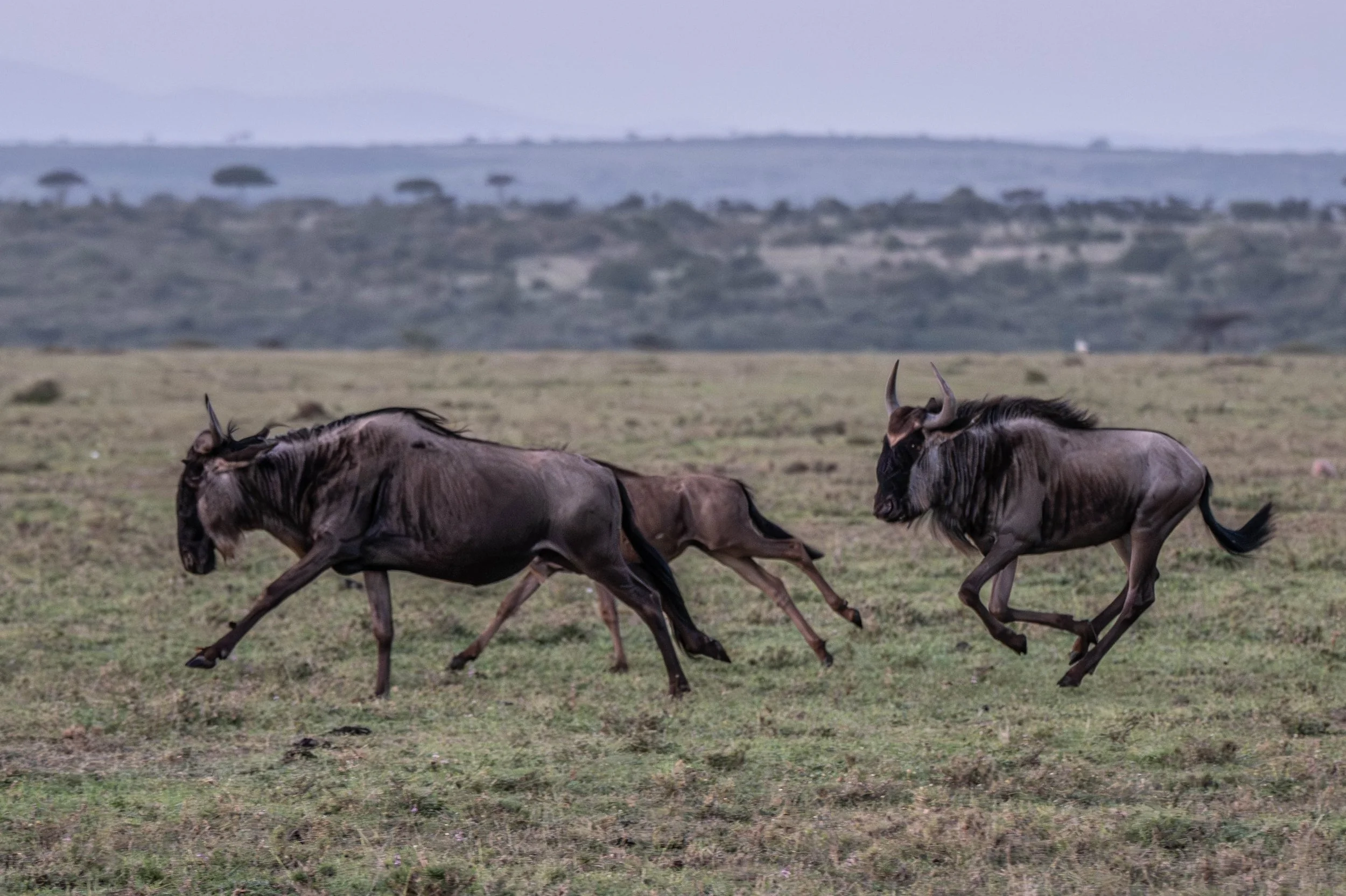
Wildebeests on the run ©kathykarn
Enjoy this week's story? Share Heartfelt Stories!
Please hit ❤️ button below, share your comments here and share this story with friends who would love it. Your presence and engagement makes a difference. Thank you for being a subscriber. A percentage of all sales and Substack subscriptions supports wildlife and conservation in Kenya.